
13 Unconventional Horror Scores That Are Deeply Unsettling
As a composer and film score fanatic, a handful of soundtracks stand out to me as utterly unique, often lingering in my mind long after the credits roll, sometimes even more than the films themselves. From bizarre instrumentation to radical approaches to sound design, these unconventional horror scores are deeply unsettling. They will scratch that itch for a good scare and grab your attention with the entirely unexpected.
If you are a fan of our cinematic instrumental music releases, this list of unconventional horror scores is highly recommended to expand your sonic palette.
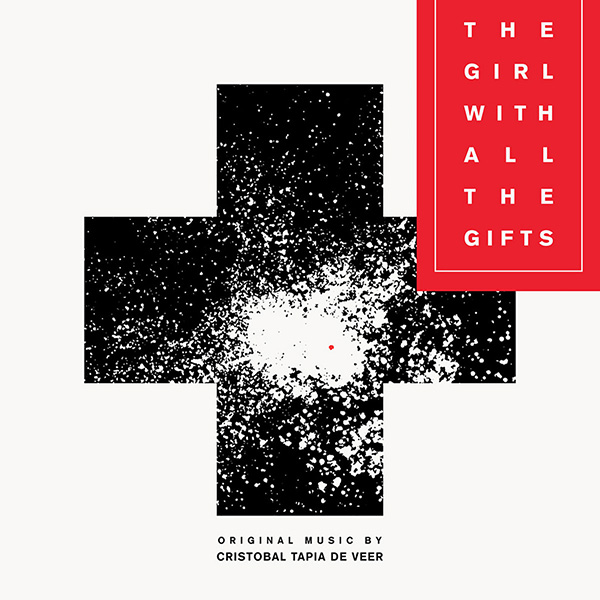
Chilean-Canadian composer Cristobal Tapia de Veer took a remarkably unconventional approach to scoring this post-apocalyptic zombie film. Rather than relying on traditional orchestral swells or standard synthesizer patches, he utilized visceral, organic soundscapes. He heavily manipulated his own voice and integrated tribal instrumentation to create a deeply unsettling and alien atmosphere.
One of the most fascinating pieces of lore surrounding Tapia de Veer’s methodology is his use of literal bones. He has famously played percussion using a human femur, an idea he carried over from previous projects, to achieve a hollow, primal resonance. This grim, tactile approach perfectly mirrors the feral, fungal infection at the heart of the movie.
Listen to the Score on YouTube
Learn more about Cristobal Tapia de Veer
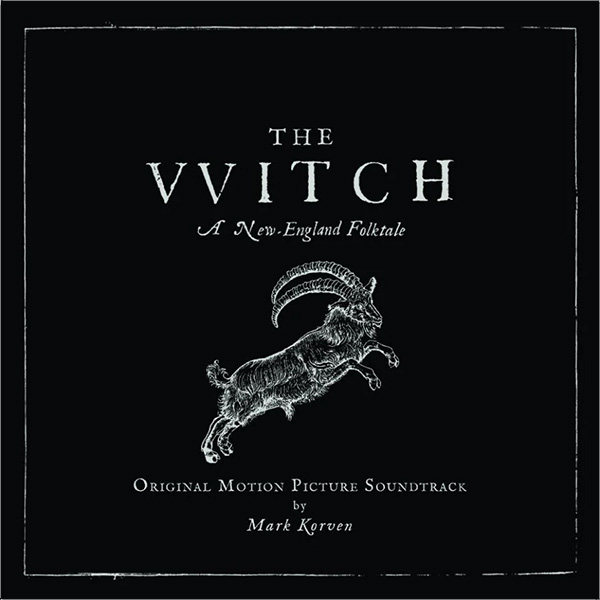
Mark Korven understood that traditional orchestral horror tropes would completely ruin the oppressive, puritanical dread of this New England folktale. He focused heavily on period-accurate acoustic dissonance, utilizing instruments like the nyckelharpa alongside stark, discordant choral arrangements that feel both ancient and deeply evil.
Because Korven found standard synthesizers too pristine and traditional orchestral string scrapes too cliché, he commissioned guitar maker Tony Duggan-Smith to build a completely custom instrument. Dubbed the “Apprehension Engine,” this acoustic nightmare box is rigged with spring reverbs, metal rods, and bowed strings specifically designed to create horrifying, metallic groans and ambient textures.
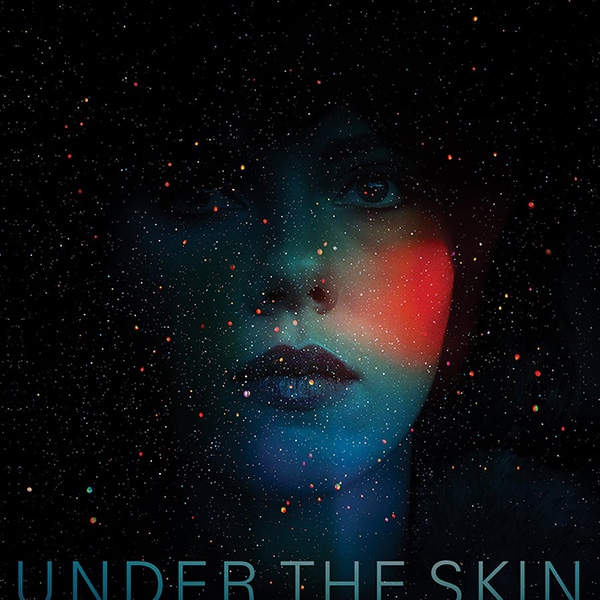
Classically trained composer Mica Levi created a masterpiece of modern avant-garde music by conceptualizing the score from the perspective of an extraterrestrial entity. The music is designed to sound as though an alien is attempting to understand human musical structure and consistently failing to get it right.
Levi centered the score around a microtonal viola line that intentionally wavers out of pitch, creating a persistent sense of seasickness and wrongness. This is anchored by a synthesized, thumping rhythm that mimics a decelerating human heartbeat, culminating in a soundscape that is incredibly cold, predatory, and emotionally detached.
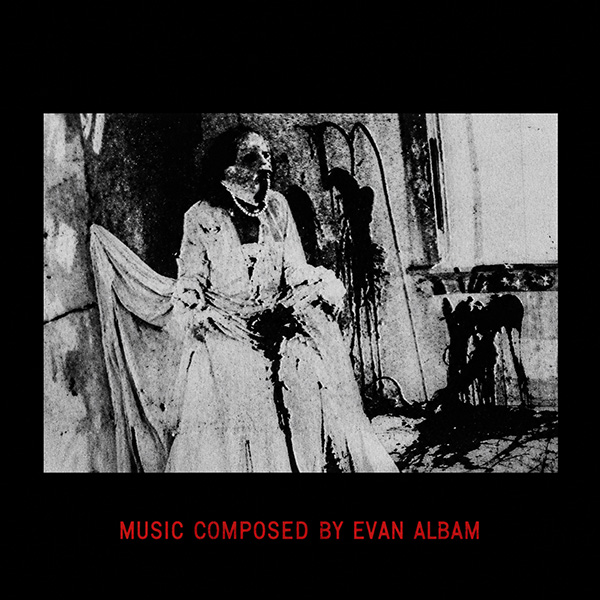
When director E. Elias Merhige created this deeply experimental, dialogue-free nightmare, he needed an auditory experience that matched its degraded, high-contrast visual style. Composer Evan Albam provided a score that completely rejects traditional musicality, favoring dark ambient textures, relentless droning crickets, echoing drips, and low-frequency rumbling.
This sound design approach makes the viewing experience incredibly visceral. By stripping away melodic comfort and relying on what sounds like field recordings from purgatory, Albam forces the audience into a state of hypnotic dread. The audio feels less composed and more like something unearthed from a ruined, ancient civilization.
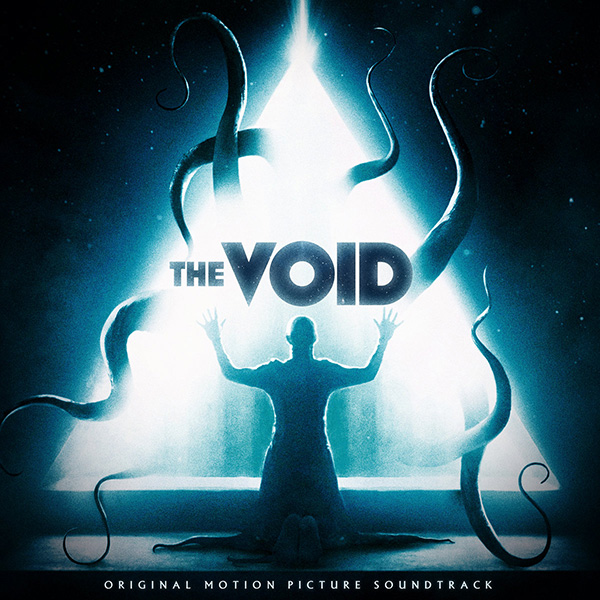
This cosmic horror film is a deliberate, blood-soaked love letter to 1980s practical effects, and its score directly reflects that aesthetic. Composed collaboratively by the trio Blitz//Berlin alongside co-director Jeremy Gillespie and others, the soundtrack is completely steeped in aggressive, analog style synthesis and dark ambient drones.
The music perfectly captures the Lovecraftian scale of the terror on screen. It pivots from quiet, unnerving tension to massive, distorted synthesizer sequences that feel highly reminiscent of John Carpenter or early industrial acts. It creates a thick, suffocating atmosphere that bridges the gap between retro-futurism and modern body horror.
Listen to the Score on YouTube
Learn more about Blitz//Berlin
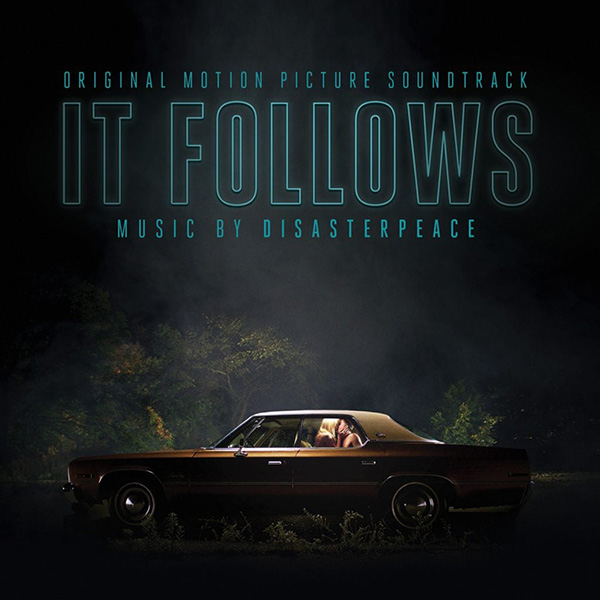
Rich Vreeland, known professionally as Disasterpeace, brought his background in chiptune and video game music to the forefront of modern horror with this project. The score is a perfect example in establishing tension through electronic minimalism, relying entirely on retro synthesizers to craft its unique sense of inescapable dread. A few of the scores from this article ended up on my Top 20 Film & TV Soundtracks (1970-1980) list, including this release.
Vreeland utilized thick, distorted sine waves and loud, abrasive arpeggios to act as the musical embodiment of the titular entity. The score is aggressively loud in its most terrifying moments, paying a clear homage to the 1980s synthwave aesthetics of Goblin and Carpenter while maintaining a harsh, metallic edge that feels entirely its own.
Listen to the Score on YouTube
Learn more about Disasterpeace
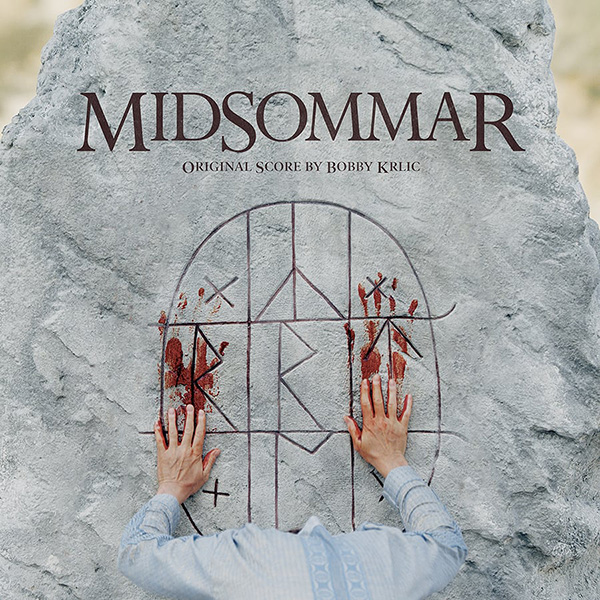
British musician Bobby Krlic, who records under the moniker The Haxan Cloak, was tasked with scoring a horror film that takes place almost entirely in broad daylight. To achieve a sense of pagan dread, Krlic expertly blended traditional Nordic folk instruments, such as the nyckelharpa and the hurdy-gurdy, with his signature, oppressive sub-bass frequencies. For the music instrumentation nerds out there, I also highly recommend checking out the moraharpa & tagelharpa, precursors to the nyckelharpa.
A standout element of this score is its visceral connection to the physical actions on screen. Krlic heavily incorporated literal breathing and hyperventilation into the rhythm of the tracks, mirroring the shared emotional processing and rhythmic sobbing of the cult members. It is a suffocating, beautifully toxic auditory experience.
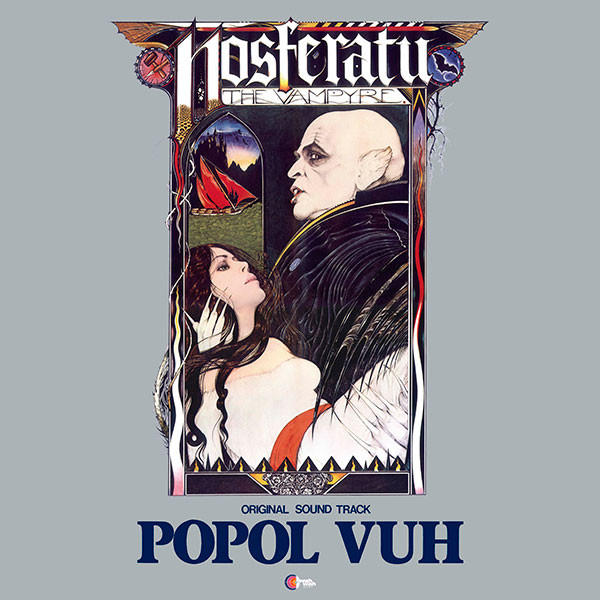
When Werner Herzog remade the classic vampire tale, he turned to the pioneering West German Krautrock band Popol Vuh to handle the music. Instead of gothic orchestrations, the band utilized a mesmerizing blend of Moog synthesizers, ethereal acoustic guitars, and sitars.
This instrumentation choice gave the vampire a sense of ancient, psychedelic tragedy rather than framing him as a standard monster. The incorporation of haunting, wordless choral elements alongside electronic sequences was completely ahead of its time, cementing this score as a foundational text for later darkwave and dark ambient artists.
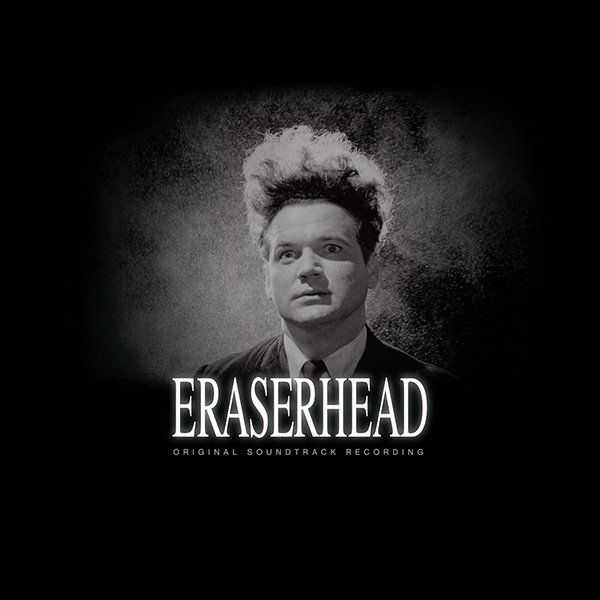
David Lynch and sound designer Alan Splet created a cinematic experience where the line between the musical score and the environmental sound design is completely erased. This project is a pioneering work of musique concrète and early industrial noise, composed over years of meticulous tape manipulation.
They recorded heavily processed sounds of factories, hissing radiators, and wind blowing through microphone grills. By mixing these harsh, low-frequency drones with the faint, distant sounds of a Fats Waller pipe organ, Splet and Lynch built a surreal, industrial nightmare that remains one of the most oppressive audio environments ever put to film.
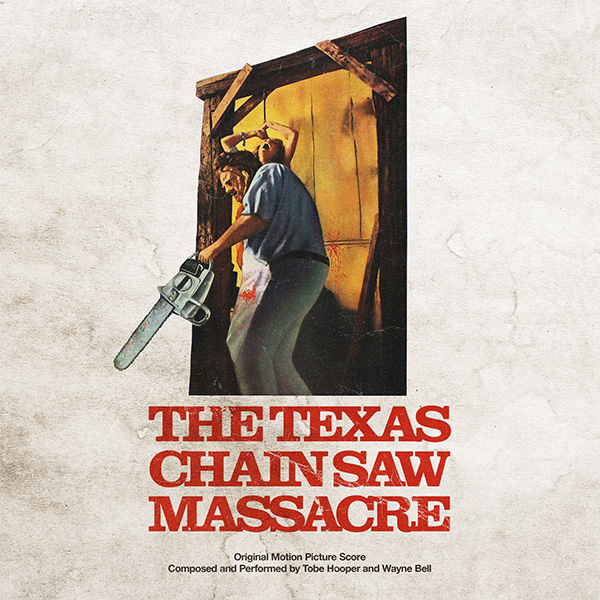
Director Tobe Hooper and Wayne Bell crafted a score that operates completely outside the boundaries of musical theory. To match the gritty, documentary-style horror of the visuals, they assembled a chaotic soundscape using unconventional, found-object percussion and extreme tape manipulation.
The duo scraped pitchforks across metal tables, heavily detuned string instruments, and bowed cymbals to generate a shrieking, metallic wall of noise. The result feels less like a composed soundtrack and more like the literal sounds of a slaughterhouse, effectively punishing the audience and redefining the possibilities of industrial film scoring.
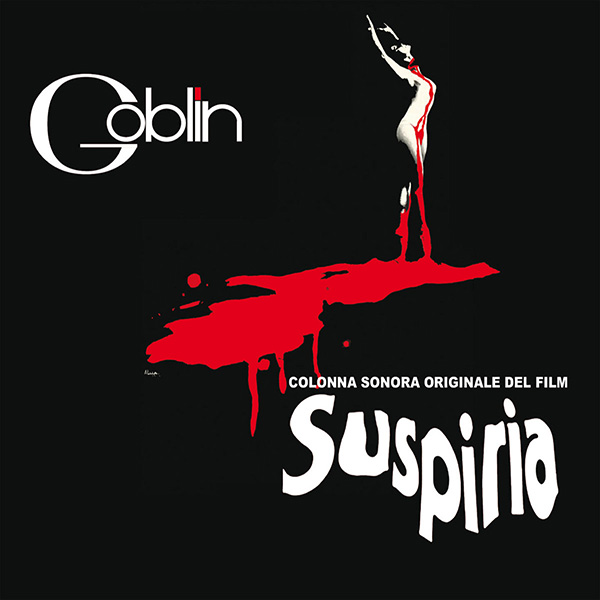
Italian progressive rock band Goblin changed the landscape of horror cinema with their work on Dario Argento’s films. Instead of a traditional orchestral approach, they utilized an arsenal of bizarre instrumentation, including the bouzouki, celesta, and Moog synthesizers.
The most unsettling element, however, is the incorporation of heavy breathing, wailing, and harsh, whispered vocals directly into the music. This tactile approach makes the score sound as though a coven of witches is chanting directly into your ear, cementing it as one of the most iconic horror soundtracks of all time. I’m fortunate enough to have seen Goblin perform live in 2013.
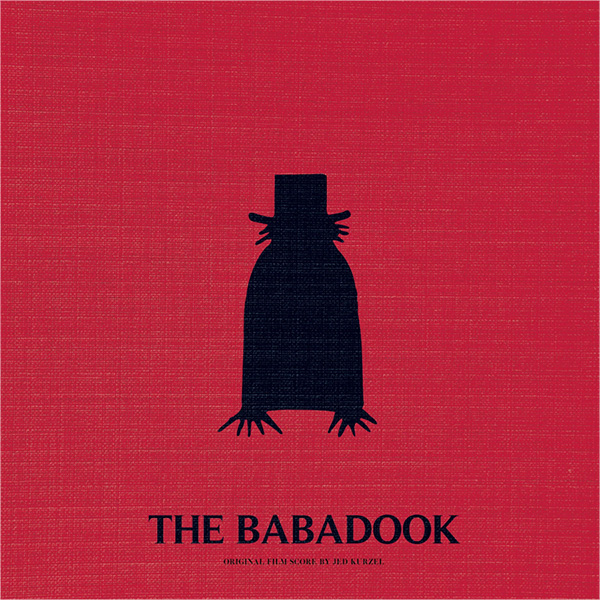
Australian composer Jed Kurzel crafted a deeply psychological soundscape for this modern horror classic. To mirror the protagonist’s descent into exhaustion and madness, Kurzel utilized deeply detuned strings and grinding, dissonant cellos.
He also incorporated distorted domestic sounds and warped, thumping rhythms that mimic the feeling of something heavy moving around in the attic. The score is claustrophobic and relentlessly anxious, perfectly translating the physical toll of grief and sleep deprivation into audio.
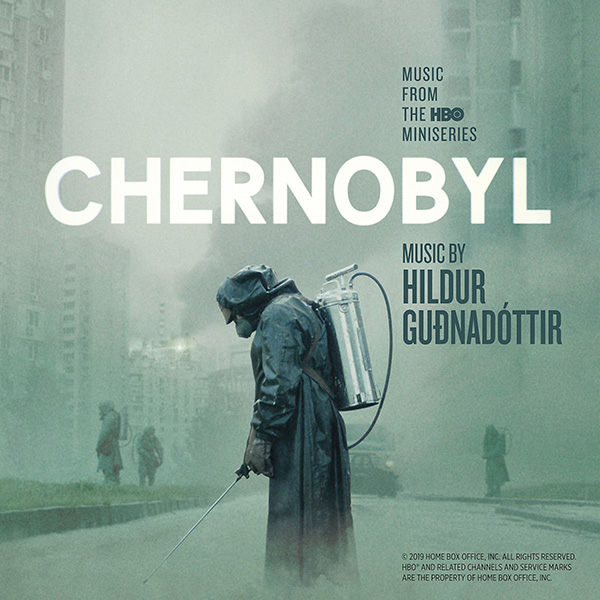
While this is a historical miniseries rather than a traditional horror film, the events are undeniably horrific, and the soundtrack is a stunning example of unconventional composition. Academy Award winning composer Hildur Guðnadóttir traveled to the decommissioned Ignalina Nuclear Power Plant in Lithuania to record the score.
She captured the acoustic resonance of the actual reactor halls, turbine rooms, and massive metal doors. By manipulating these literal field recordings, she turned the power plant itself into a musical instrument. The result is a terrifying, radiation-soaked audio experience that is completely unique and deeply unsettling.
Listen to the Score on YouTube
Learn more about Hildur Guðnadóttir