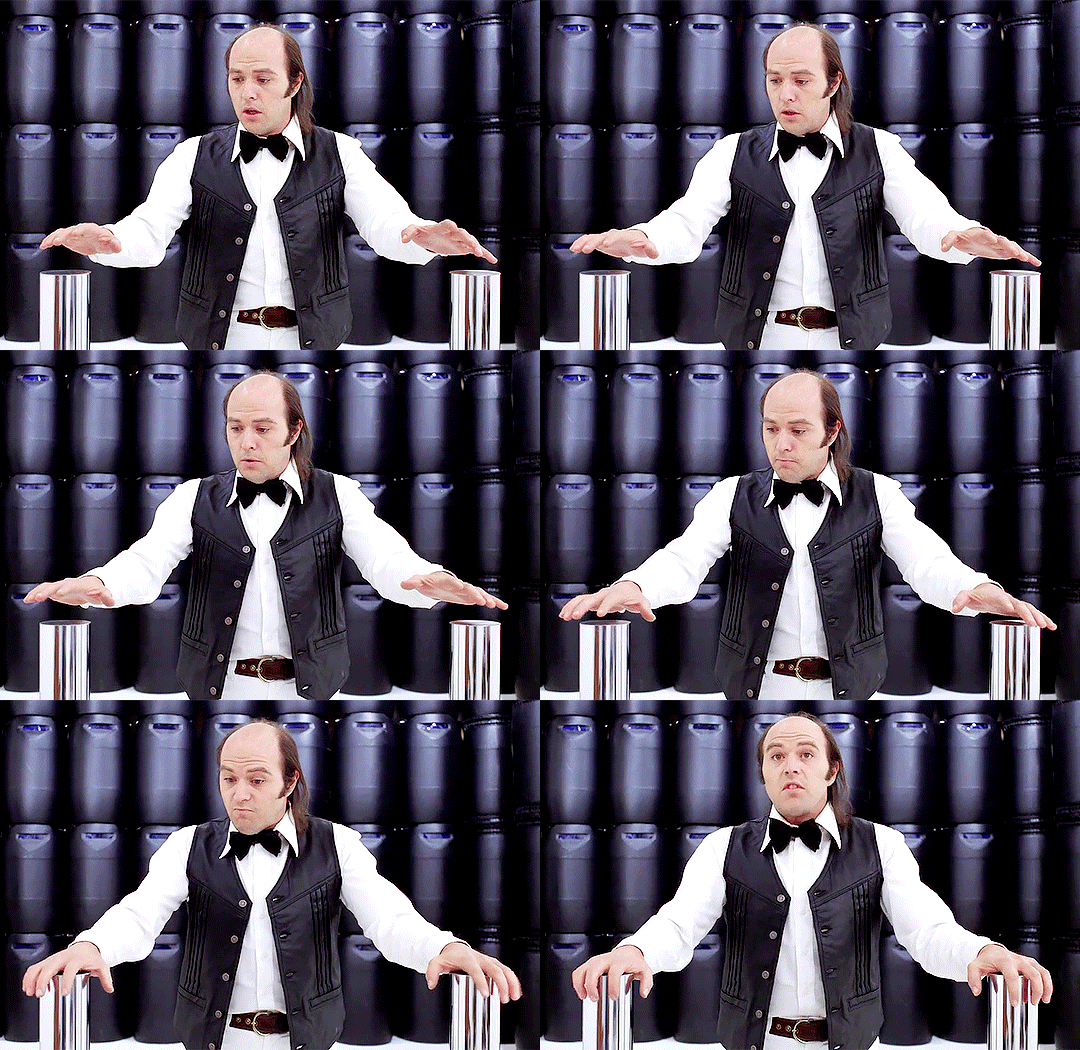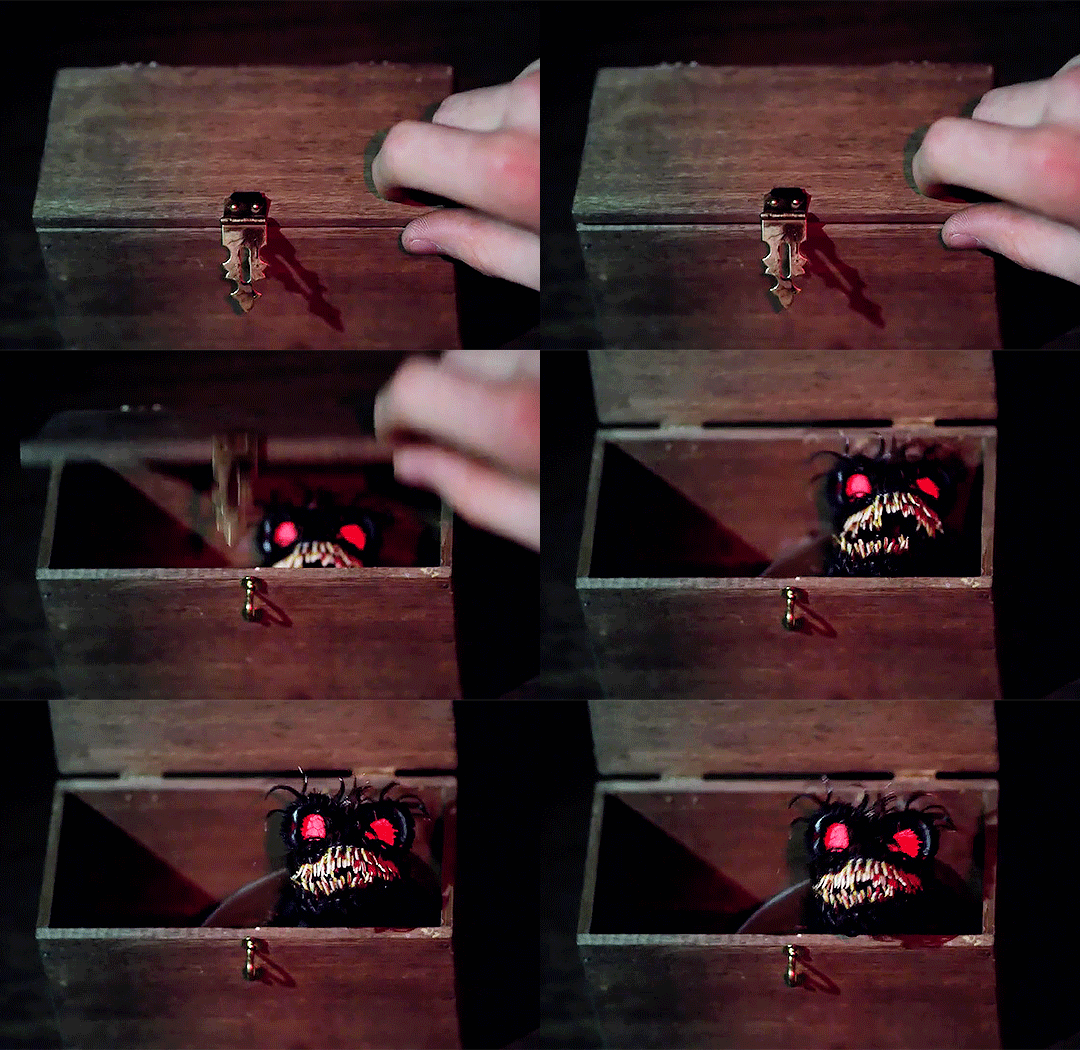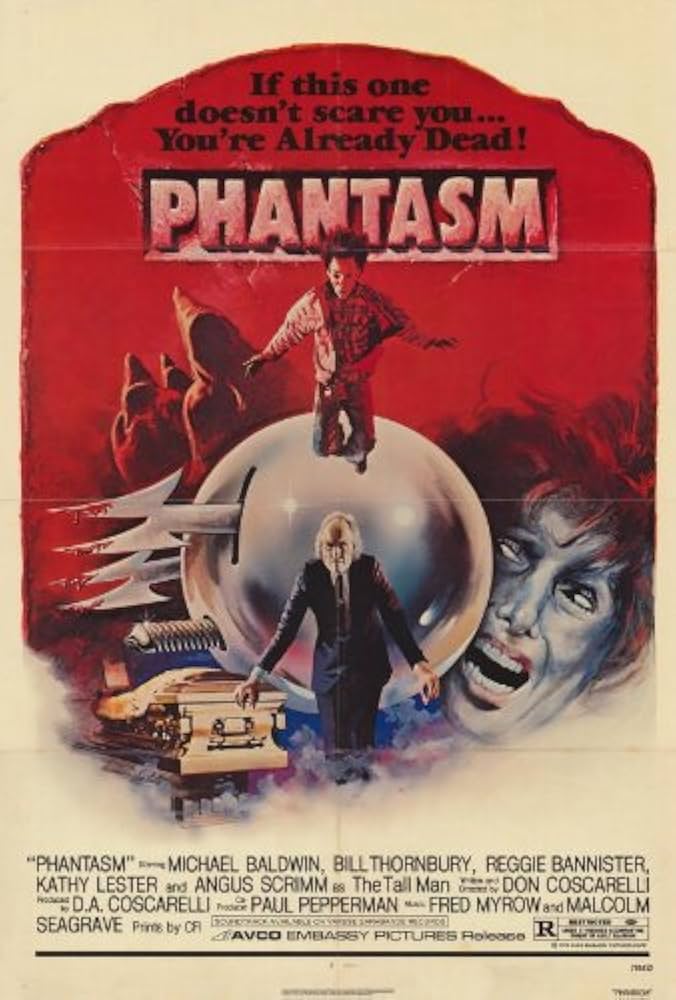
Phantasm (1979) remains one of the most unique horror films of the late 1970s and a personal favorite of mine. Directed by Don Coscarelli on a budget of around $300k, this surreal nightmare has captivated audiences for over four decades with its unforgettable imagery and dreamlike atmosphere.

The Origin of a Cult Classic
Don Coscarelli was only 24 years old when he wrote and directed Phantasm. Working with a budget of just $300,000, Coscarelli created the film over the course of a year, shooting mostly on weekends and during school breaks. The production was a true independent effort, financed by Coscarelli, his father, and local investors, with the director’s friends and family filling many of the roles both in front of and behind the camera.
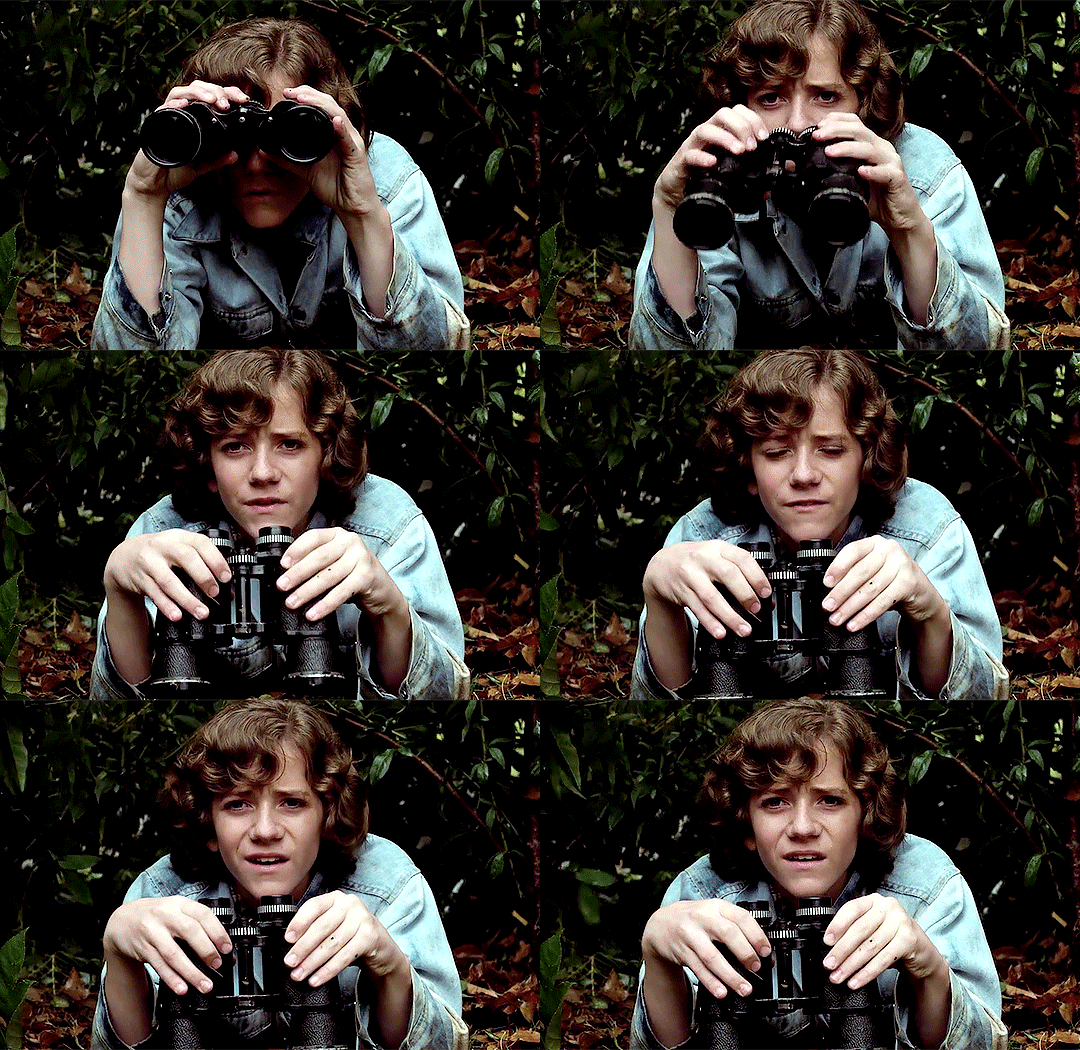
The story follows 13-year-old Mike as he uncovers a sinister plot at the local Morningside Cemetery. There, the enigmatic Tall Man is stealing corpses and transforming them into dwarf zombies to be used as slave labor on another planet. With help from his older brother Jody and ice cream vendor Reggie, Mike must confront supernatural forces beyond his comprehension. Also of major significance, Jody and Reggie’s guitar jam is totally “Hot as love!”
Historical Impact and Legacy
Despite its modest budget, Phantasm became a surprise box office success, earning an international gross of $22 million. The film’s unconventional narrative structure, with its dreamlike logic and ambiguous ending, confused some critics (and me) but resonated deeply with horror fans seeking something genuinely different from the standard, tedious slasher fare of the era.
The film introduced several iconic horror elements that have become legendary. The deadly chrome sphere that drills into victims’ foreheads remains one of cinema’s most memorable horror weapons. Angus Scrimm’s towering performance as the Tall Man created an instantly recognizable villain, and his signature line “Boy!” has echoed through horror culture ever since.
Phantasm spawned four sequels, with Coscarelli returning to direct the first four films. The franchise maintained a loyal cult following, with the final installment, Phantasm: Ravager, released in 2016. The film’s influence can be seen in countless horror productions that followed, particularly those embracing surrealism and ambiguity over straightforward narratives. As a creative myself, I find it’s important to leave room for interpretation so people can personalize the experience.

Phantasm Through the Years
- 1977 – Don Coscarelli retreats to a cabin in the woods and begins writing the script that would become Phantasm. Principal photography begins later that year across Southern California locations with longtime collaborators Angus Scrimm, Michael Baldwin, and Reggie Bannister.
- 1979 – Phantasm releases theatrically and becomes a massive worldwide success, playing for over a year and breaking box office records. The film finds passionate international followings in the UK, Germany, France, Mexico, Spain, and Japan.
- 1988 – After nearly a decade, Phantasm II arrives in theaters via Universal Pictures, introducing the franchise to a new generation with a bigger budget and critical acclaim.
- 1994 – Phantasm III: Lord of the Dead releases, introducing fan favorites Rocky and Tim to the series. That same year, Angus Scrimm is inducted into the Fangoria Magazine Horror Hall of Fame alongside Boris Karloff, Bela Lugosi, Vincent Price, and Stephen King.
- 1996 – E! Entertainment names Phantasm one of the top 10 horror films of all time. Oscar-winner Roger Avary writes the script for Phantasm 1999 A.D., which is ultimately shelved after years in development.
- 1998 – Phantasm: ObliVion releases through MGM after a popular film festival run, delighting fans by integrating never-before-seen footage from the original film.
- 2014 – Entertainment Weekly announces Phantasm: RaVager with a teaser trailer after years of secret filming. J.J. Abrams and Bad Robot Productions begin a meticulous restoration of the original Phantasm for its first proper Blu-ray release.
- 2016 – Phantasm: Remastered premieres at SXSW in Austin to a sold-out crowd. The character Captain Phasma in Star Wars: The Force Awakens is revealed to be named in honor of the chrome sphere from Phantasm. Tragically, Angus Scrimm passes away in January. Phantasm: RaVager premieres at Fantastic Fest later that year and receives a nationwide theatrical release, dedicated to Scrimm’s memory.
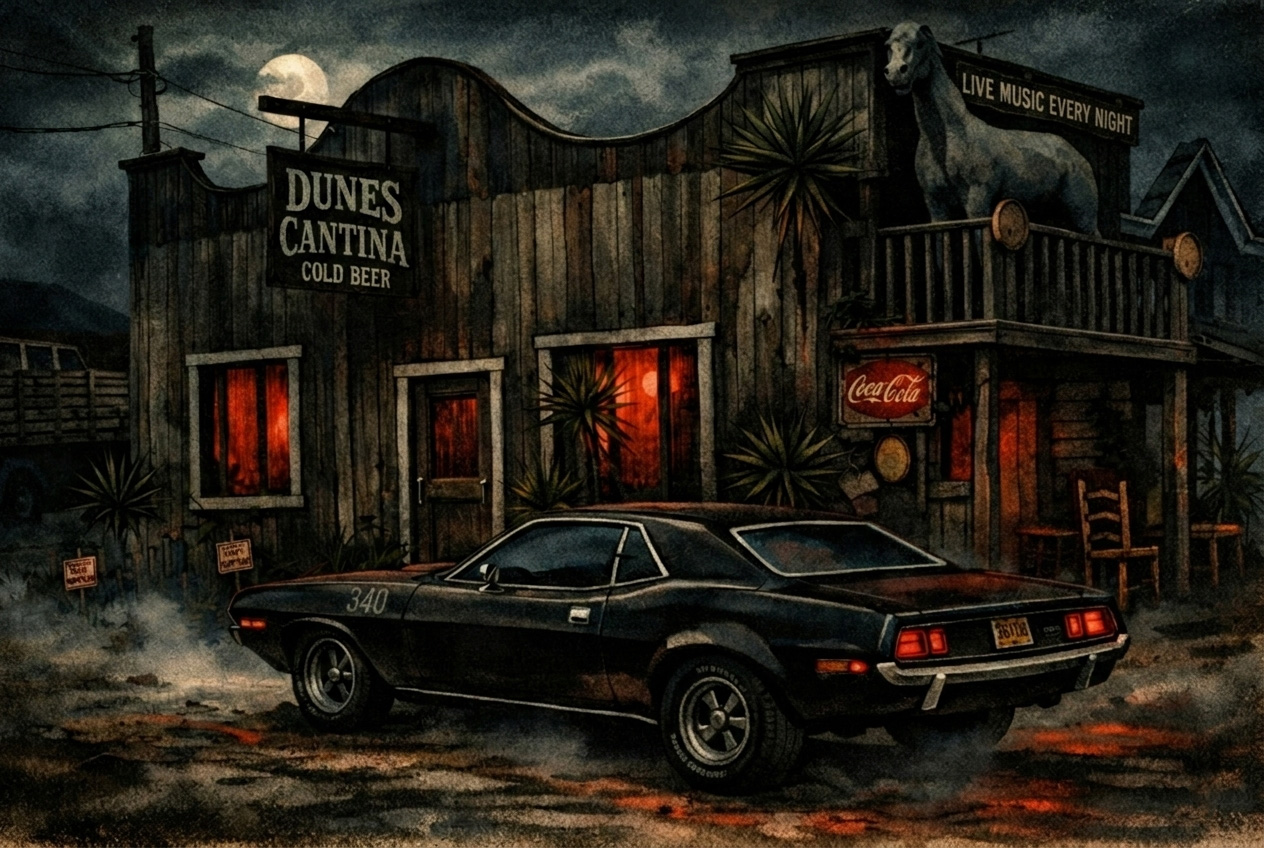
- 2024 – Don Coscarelli releases PHICTION: Tales from the World of Phantasm, a limited edition hardcover that sells out instantly. The 45th Anniversary celebration at Dark Delicacies features cast, crew, and the iconic Phantasm Cuda for fans.
The Deadly Silver Sphere
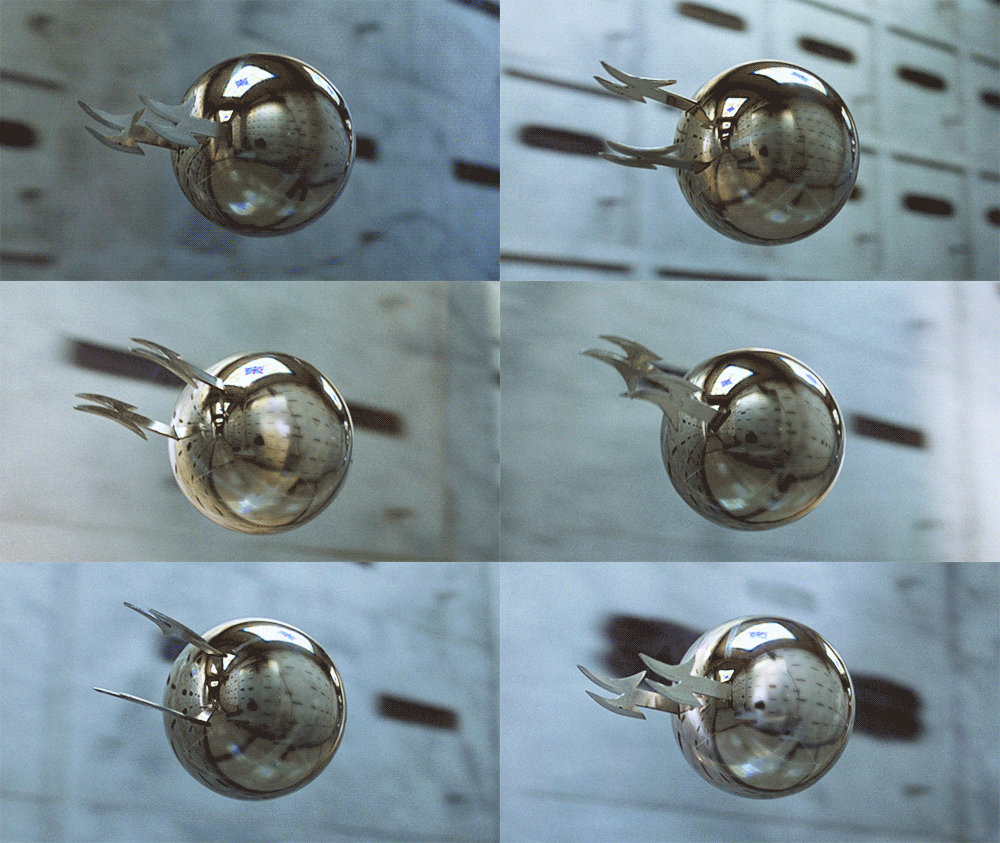
The silver sphere stands as one of horror cinema’s most innovative and terrifying weapons. Coscarelli conceived of a device that would be simultaneously beautiful and lethal, a floating metallic orb that pursued its victims with relentless efficiency. The design drew inspiration from the sleek, futuristic aesthetics popular in 1970s science fiction, transforming something smooth and elegant into an instrument of horror.
Creating the sphere’s movement required ingenious practical effects work. The production team employed wires, mirrors, and reverse-motion photography to bring the weapon to life. The original sphere was constructed from polished aluminum, and its reflective surface actually became both an asset and a challenge during filming, as crew members would occasionally appear in its mirrored finish.
The sphere’s deadly arsenal is what truly cements its place in horror history. Retractable spikes burst from its surface seconds before impact, impaling victims before a central drilling mechanism completes its gruesome work. Free lobotomy, anyone? Later films in the franchise expanded the sphere’s capabilities, introducing variations with laser weapons and explosive mechanisms. Phantasm III: Lord of the Dead introduced the golden sphere, a more powerful and advanced iteration that signaled an escalation in the Tall Man’s technological arsenal.
Beyond its physical threat, the sphere carries deep symbolic weight. It represents the inescapable nature of death itself, silent, swift, and inevitable. As an extension of the Tall Man’s power, the sphere transforms something familiar and harmless into pure terror. Some fans theorize that the spheres contain the consciousness of the Tall Man’s victims, adding a disturbing psychological dimension to their presence throughout the series. I wonder what Freud would say?
The Haunting Soundtrack
One of Phantasm‘s most enduring elements is its extraordinary score, composed by Fred Myrow and Malcolm Seagrave. It has been on my list of top scores of all-time since I saw the film. The main theme appears deceptively simple, yet is an incredibly effective piece built around a haunting melody that perfectly captures the film’s dreamlike, unsettling tone.
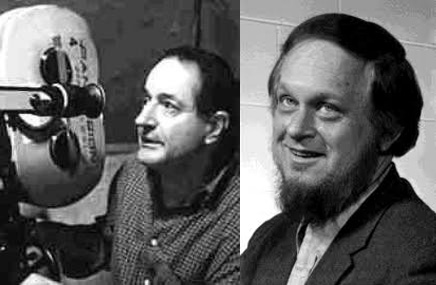
Fred Myrow & Malcolm Seagrave
The Composers Behind the Music
Fred Myrow brought impressive credentials to the Phantasm project. Born in 1939, Myrow was the son of renowned composer Josef Myrow and grandson of legendary music publisher Irving Mills. At just nineteen years old, Russian composer Dmitri Shostakovich proclaimed him one of the most inventive young composers he had encountered during a U.S. tour. Myrow went on to win multiple Fulbright and Rockefeller grants, plus a Guggenheim fellowship, which led to his appointment as composer in residence at the New York Philharmonic under Leonard Bernstein. By the time he scored Phantasm, Myrow had already composed music for several notable films, including the dystopian classic Soylent Green and the critically acclaimed Scarecrow, both released in 1973. Myrow passed away in 1999 at age 59, but his work on Phantasm remains one of his most celebrated achievements.
Malcolm Seagrave’s journey to Phantasm took a different path. Born in Tracy, California in 1928, Seagrave earned his Master of Music and Doctor of Musical Arts degrees from the prestigious Eastman School of Music, studying composition under luminaries including Howard Hanson. After serving as a conductor in the U.S. Air Force and teaching at Alliance College and Wenatchee Valley College, Seagrave made a bold decision in 1976 to leave academia behind. He moved to Carmel, California to pursue freelance composition full-time, and it was during this period that he was contracted to collaborate with Myrow on Phantasm. An accomplished orchestral composer, conductor, and even an avid photographer, Seagrave continued composing for film and stage until his death in 2001. His collaboration with Myrow on Phantasm introduced his work to an entirely new audience of horror fans.
Recording the Score
The score was created during the pioneering days of electronic film scoring, and the technical challenges faced by Myrow and Seagrave were considerable. The primitive analog synthesizers they employed lacked any memory banks or preset storage capabilities. According to Coscarelli, this meant the composers had to manually set every single dial to create each sound, and once those settings were changed, recreating the exact same tone was virtually impossible. This limitation forced the composers to work with incredible precision and intentionality.
Recording took place in a small Long Beach studio owned by music producer Paul Ratajczak. The three men, Myrow, Seagrave, and Ratajczak, took turns performing the parts themselves on to Ampex 456 analog tape. Their instrumental arsenal included synthesizers, a Clavinet, an electric piano, a Mellotron (utilizing both its flute sounds and haunting choral voice tracks), and even an antique upright piano.
Beyond the keyboards, the score incorporated an extensive physical rhythm section that employed almost the entire percussion section of a symphony orchestra. Instruments such as gongs, chimes, bells, and scraper sticks played on cymbals created the surreal rhythms that drive the film’s tension. Additionally, the soundtrack features virtuoso guitar contributions from Bill Cone, the actor who played Tommy in the movie’s memorable opening scene. Bill was one of Reggie’s bandmates and had expressed interest in dying in a horror film. …and so it came to be!
Myrow and Seagrave employed synthesizers alongside traditional orchestration to create a soundscape that feels both otherworldly and deeply emotional. The score moves seamlessly between moments of surrealism and nightmarish terror, mirroring the film’s exploration of grief, fear, and the thin line between dreams and reality.
The main theme has been covered and sampled countless times, and it remains instantly recognizable to horror fans worldwide. The music elevates every scene it accompanies, transforming what could have been simple jump scares into moments of genuine dread and melancholy. It is no exaggeration to say that the Phantasm score is as much a character in the film as the Tall Man himself.
For horror enthusiasts and soundtrack collectors alike, the Phantasm score represents a pinnacle of genre film composition, proof that a great musical theme can transcend a film’s budget limitations and become timeless.