

6 Essential Lessons for Music Production and Creativity
Refining the Craft: A Journey Through Music, Creativity, and Self-Discovery
After a near-death experience and more than three decades struggling as a musician, I made a conscious decision to shift my focus. Over the past 15 years, I’ve immersed myself in the mixing, producing, and composing “woodshed,” obsessively honing my skills across thousands of projects in a wide range of genres and styles.
This period became a turning point, a personal renaissance. I streamlined my workflow, improved my mixing and composition techniques, mastered data and file management, and deepened my abilities as a multi-instrumentalist. I took online courses, studied manuals, watched countless instructional videos and expert interviews, and pushed myself far beyond my comfort zone. Along the way, I built a home studio, gradually upgraded my gear, collaborated with musicians around the world, released hundreds of projects through my independent label, and rediscovered my passion for teaching.
Throughout this process, a handful of key lessons and moments profoundly shaped my approach to music and creativity:
1. Lagom
While working with a band from Sweden, I was introduced to the word lagom, which loosely translates to “just the right amount.” It profoundly changed my outlook, not just in music but in life. Embracing balance helped me discover something I’d often overlooked: finesse.

2. Finish What You Start
Years ago, a friend said something that stayed with me: “You’ve got a lot of great ideas… but why don’t you finish anything?” It stung, but it was true. Since then, I’ve developed a disciplined commitment to completion. It’s become a cornerstone of my creative process.
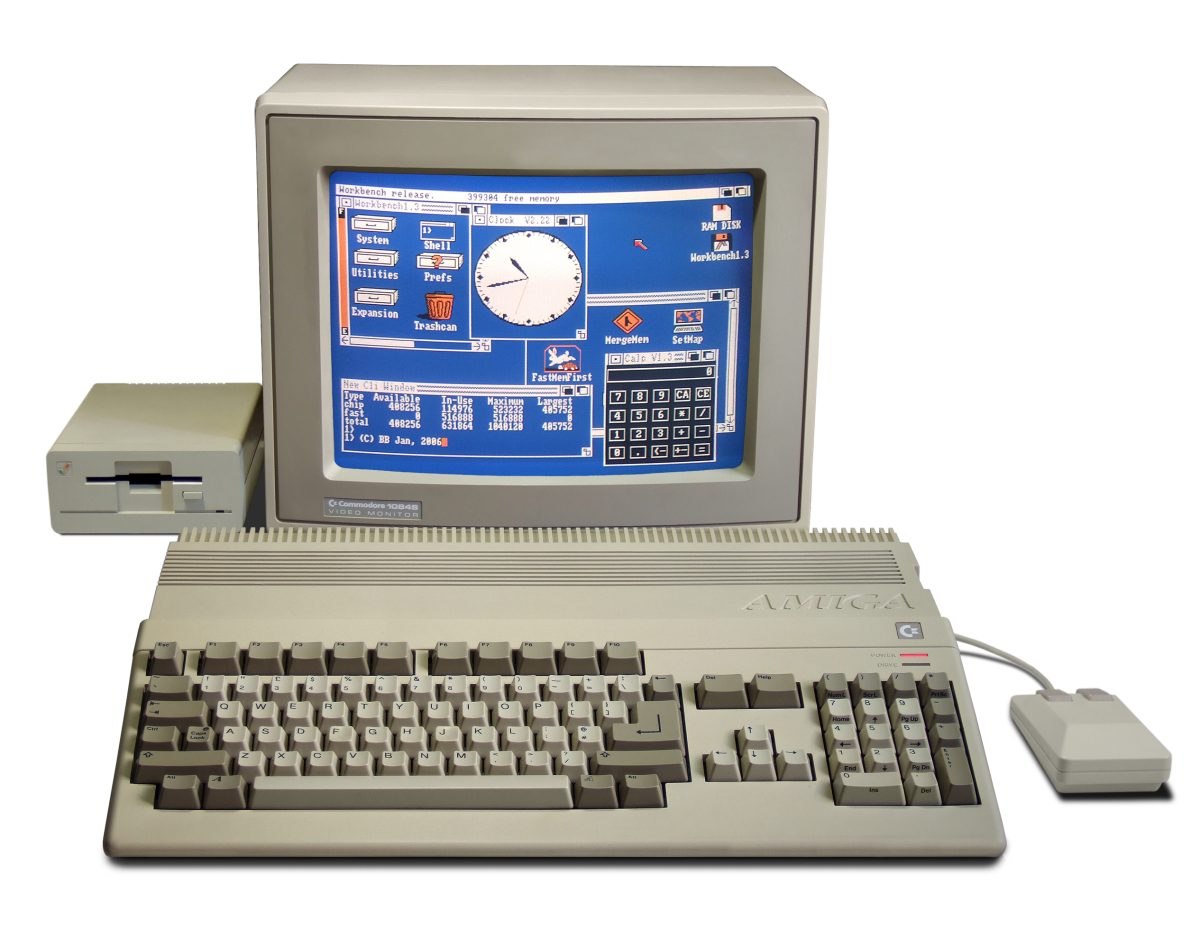
Amiga 500 image courtesy of © Bill Bertram 2006, CC-BY-2.5
3. Care About Everything
Another friend once praised a composition of mine, then gently criticized the uninspired title and artwork. His feedback was simple but powerful: put the same care and love into every part of a project. The music, the visuals, the presentation… it all matters.

4. Creativity Requires Space
John Cleese’s lecture on creativity was a revelation. He identified five critical ingredients: space, time, time (yes, twice), confidence, and humor. His perspective clarified the environment I needed to truly create.

5. Create for Yourself
One of the most liberating shifts I’ve made is embracing a selfish, non-compromising mindset when it comes to my art. While compromise is essential in many areas of life, there is power in pursuing your creative vision unapologetically. It is the purest reflection of who you are.

6. Quality Takes Time
You cannot rush the process; there are no shortcuts. Achieving a professional standard requires a significant investment of time. It took me a decade to achieve mixing results I was happy with, and several more years to reach a level that sounded professional. Context is key here: I have been playing music for half a century, editing digital audio for 35 years, and recording in studios since my teens. However, my true uncompromising dedication to writing, recording, and mixing didn’t begin until much later in life.
The path of learning is infinite, but our time is not. Do not procrastinate; time is the one resource you cannot get back.
What is it you really want to achieve with your music? Set realistic goals and knock them out a piece at a time. I’ll leave you with some great advice from Frank Zappa.
“There are two things that you have to do. One of them is to not stop, and the other one is to keep going.”

If you have enjoyed this list, check out 20 Helpful Songwriting Tips For Beginners and Beyond.