

Forgotten Sounds • No. 002
Tin Toms
Tin Toms is a free kitchen percussion sample library and the second release in Forgotten Sounds, an ongoing series preserving the voices of antique, overlooked, and repurposed objects through professional recordings and free sample collections.
Most percussion instruments are designed to make music. These were designed to hold flour.
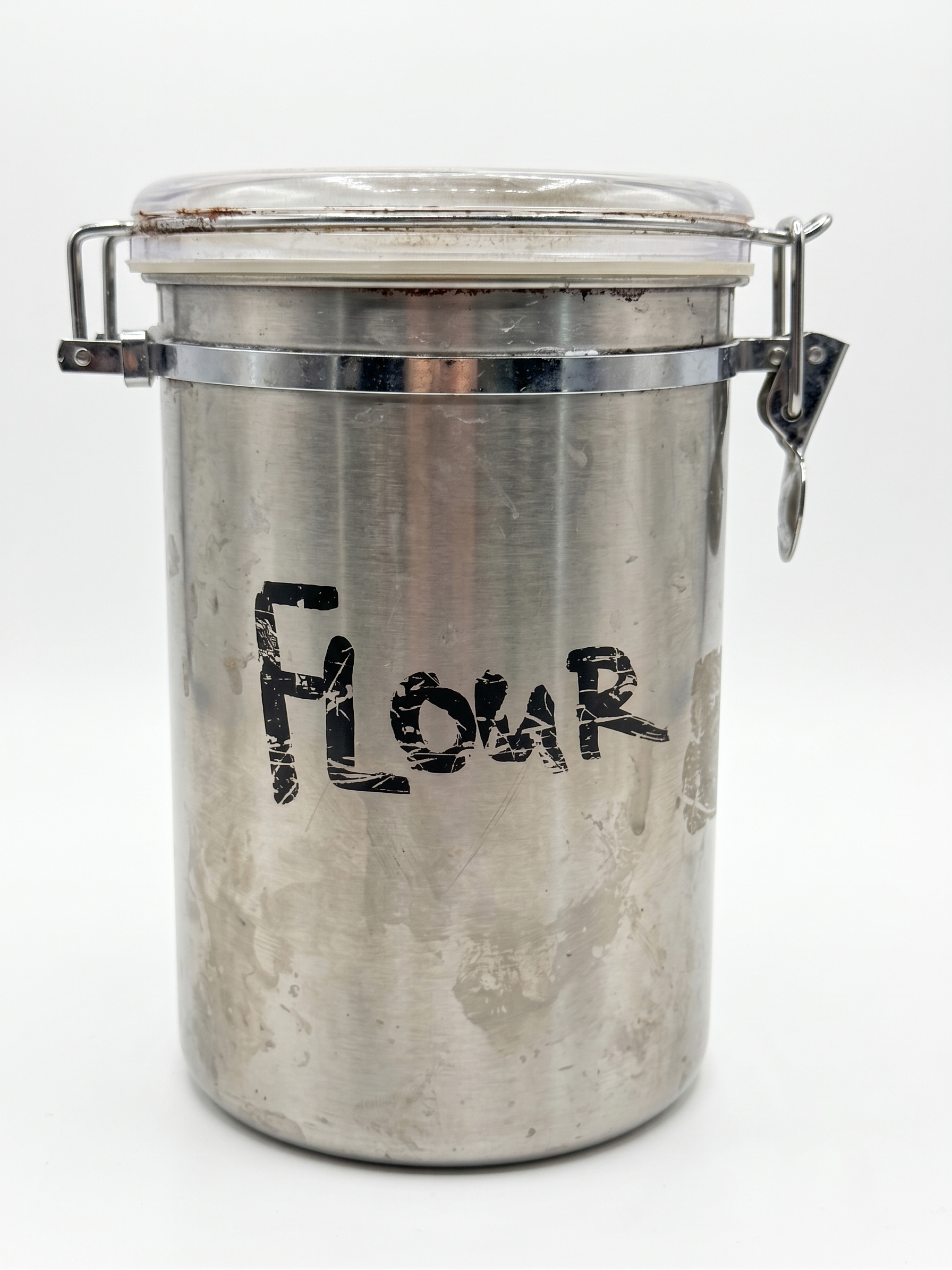
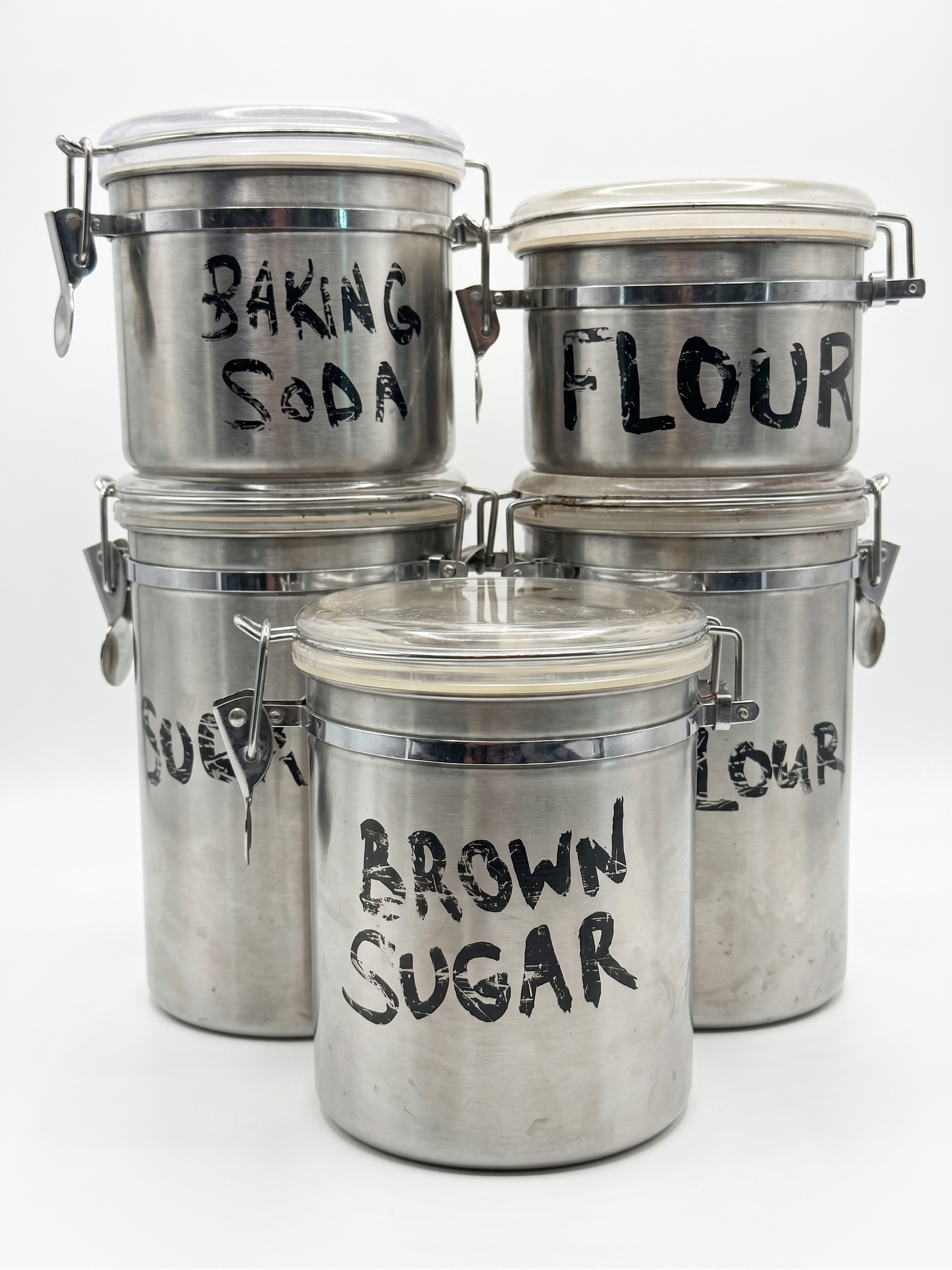
Five ordinary Oggi stainless steel kitchen storage tins spent years holding flour, sugar, brown sugar, and baking soda before eventually finding a second life in the studio. Purchased sometime between 2005 and 2010, the tins worked well for years. Over time, however, their rubber O-rings began to stretch, loosen, and fall away. That weakened the airtight seal and also changed the way the tins resonated, subtly affecting their sustain and tonal character.
What began as everyday household containers turned out to be surprisingly expressive percussion instruments, producing warm tom-like tones, woody stick attacks, ringing metallic strikes, dry hand slaps, and crisp finger snaps. Nothing about these containers suggested they would become instruments, well, not until they were empty and I started playing them like drums. That is precisely what made them worth recording.
Rather than letting those sounds go unnoticed, I recorded them as a professionally produced sample collection that anyone can download free of charge.
Meet the Sound Sources
Series
Forgotten Sounds No. 002
Instrument Name
Tin Toms
Sound Sources
Five Oggi stainless steel kitchen storage tins
Original Contents
Flour • Sugar • Brown Sugar • Baking Soda
Approximate Purchase Date
2005–2010
Construction
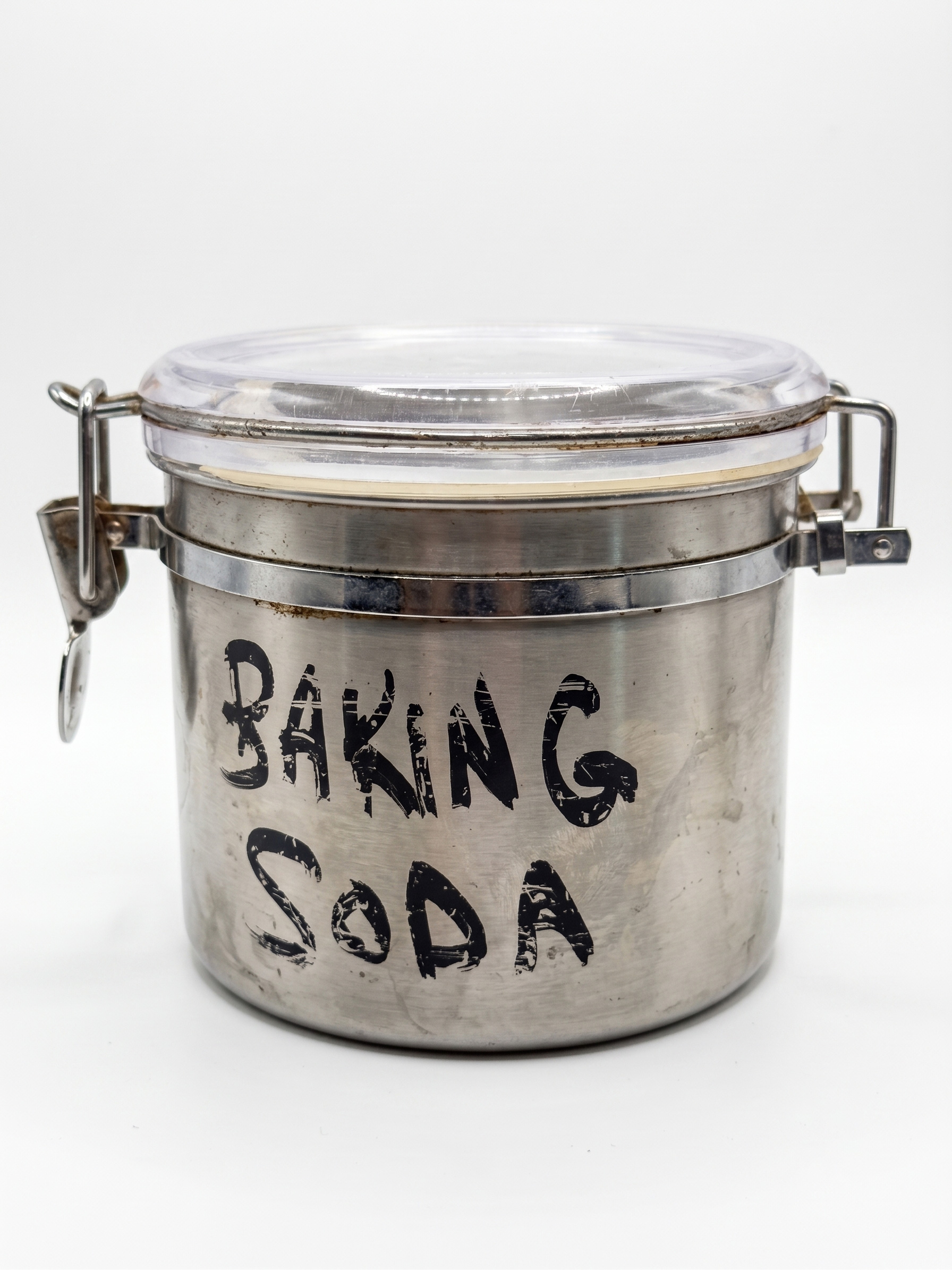
Brushed stainless steel bodies with hard clear-plastic lids, metal clamp closures, and rubber sealing O-rings
Condition
Used household containers with stretched O-rings, weakened seals, surface wear, and faint remnants of their former contents
Recording Format
44.1 kHz • 24-Bit • Mono WAV
Sample Count
70 files
Playing Techniques
Stick Shoulder • Stick Tip • DIY Mallet • Hand Slap • Finger Snap
License
Free for personal and commercial music production
The Five Tin Toms
Each container has a diameter of approximately 5 inches, but their different heights produce noticeably different resonances.
- Sugar: 7.5 inches tall × 5 inches wide
- Flour: 7.5 inches tall × 5 inches wide
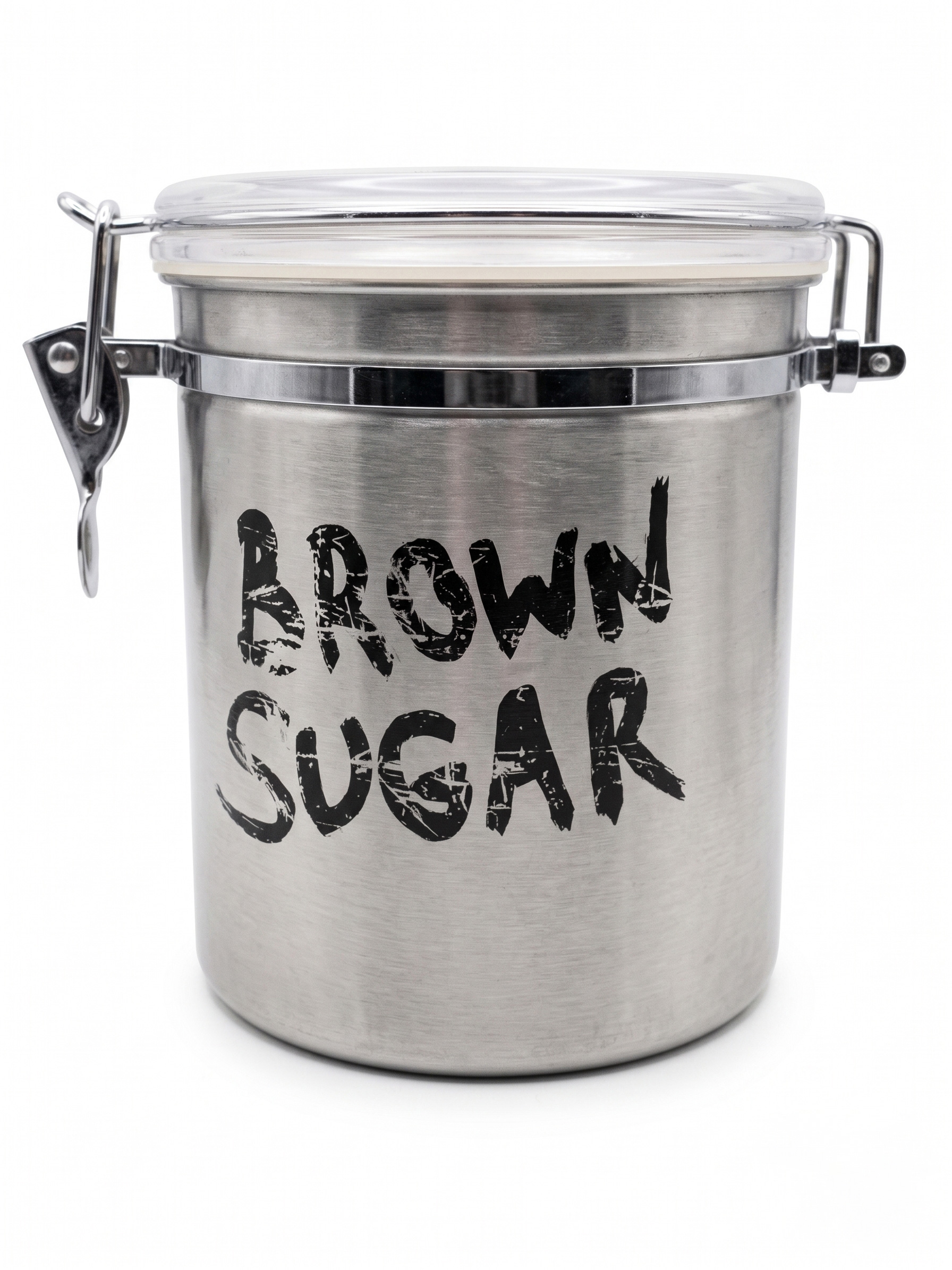
- Brown Sugar: 6 inches tall × 5 inches wide
- Baking Soda: 4.5 inches tall × 5 inches wide
- Flour Jr.: 3.5 inches tall × 5 inches wide
The two tallest tins share the same dimensions, but subtle differences in construction, wear, lid fit, and remaining seal integrity give them their own individual voices.
Recording the Tin Toms
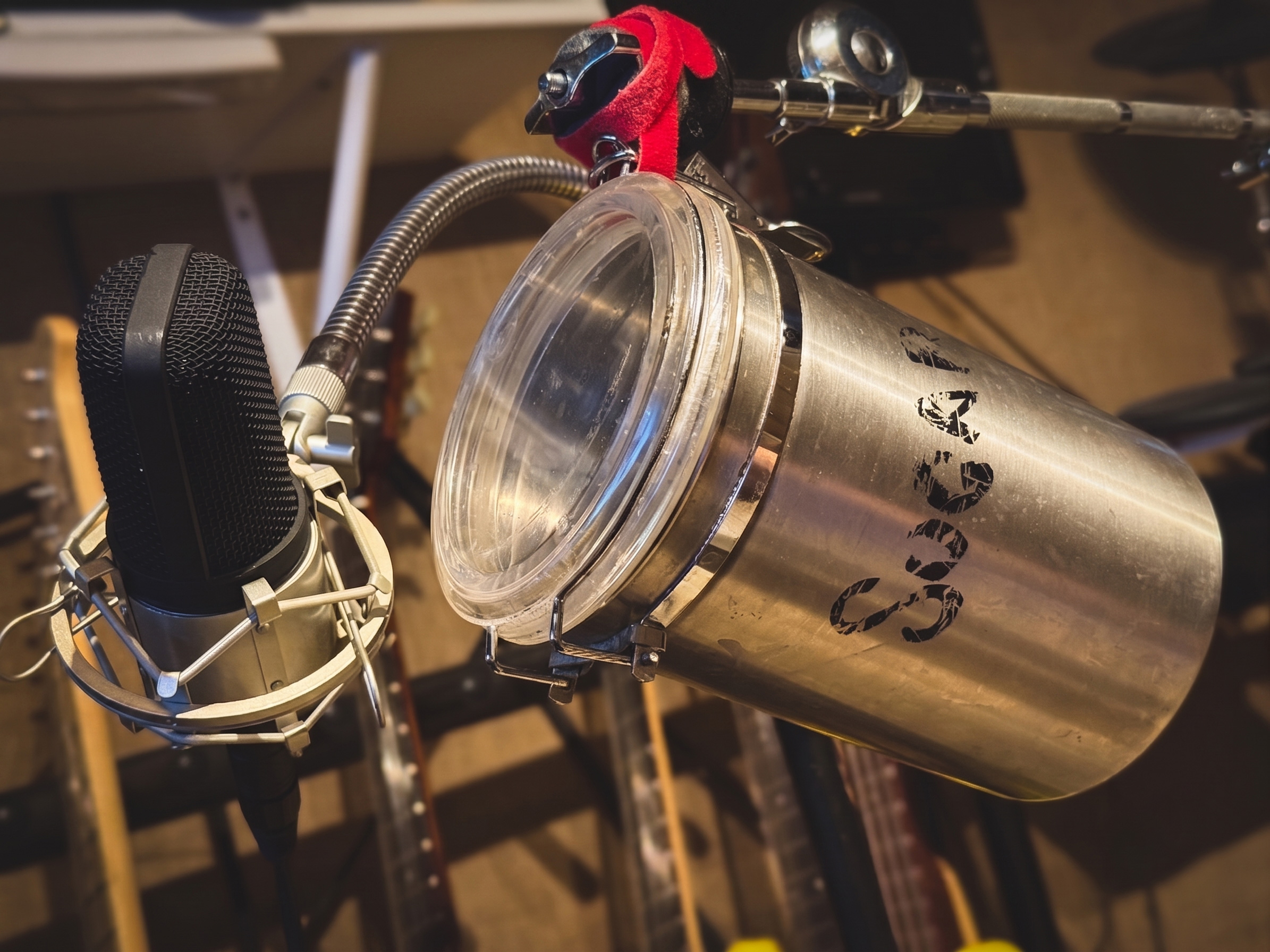
Each tin was suspended from a cymbal boom stand using a Velcro strip wrapped around the stand’s felt washers and threaded through the metal clamp used to seal the container.
This allowed the body to resonate more freely than it would have while resting on a surface or being held in place.
The tins were recorded in a dead booth, which also serves as my mixing room, using an Audio-Technica AT4033a microphone. The recordings were captured in Pro Tools, where the strongest performances were selected, edited, and paired into two variations of each playing technique.
For the stick articulations, I used a Vic Firth Buddy Rich model drumstick. The steel bottom rim was struck with the shoulder of the stick, while the center of the steel bottom was struck with the wooden tip.
The plastic lids were played with a makeshift mallet head fashioned from grip shelf liner and secured with blue painter’s tape. It was not elegant, but it produced the softer attack I wanted. DIY, right?
The hand slaps were performed conga-style while holding each tin. The finger snaps used a technique adapted from playing darbuka or doumbek, snapping the index finger away from the thumb and into the edge of the steel bottom.
After recording, the five tins were permanently retired. Their working life in the kitchen had ended, but their sounds now remain available as a playable sample collection.
Five Containers, Many Voices
The Tin Toms occupy an unusual space between melodic and purely percussive sound.
Some recordings are short, dry, and muted. Others produce a sharp metallic ring or a longer, more pitched resonance. Some samples even resemble the bright, pitched character of a steelpan. Gee, I wonder why? The stretched O-rings and imperfect seals contribute to those differences by altering how freely each container vibrates.
The contrast between the hard plastic lids and stainless steel bodies adds another layer of variety. Plastic-top mallet strikes are softer and rounder, while steel-bottom stick strikes are brighter and more focused. Hand slaps and finger snaps introduce drier, more organic attacks that behave very differently from conventional drumstick articulations.
The samples also respond well to pitch shifting. Tuning them downward can produce deeper, heavier tom-like voices, while tuning them upward reveals smaller metallic accents and unusual electronic percussion.
They should work well in hybrid drum kits, cinematic scoring, industrial music, experimental composition, electronic music, sound design, and any production that benefits from percussion with a recognizable physical character.
Included Samples
The Tin Toms library contains 70 professionally recorded 44.1 kHz / 24-Bit mono WAV files created from five stainless steel tins.
Each tin includes seven distinct playing techniques, with two performance variations of each:
- Steel Bottom Rim Stick Shoulder Strike
- Steel Bottom Center Stick Strike
- Plastic Top Center Mallet Strike
- Steel Bottom Hand Slap
- Plastic Top Hand Slap
- Steel Bottom Staccato Finger Snap
- Steel Bottom Sustained Finger Snap
That produces 14 samples per tin across five tins, for a total of 70 WAV files.
The shortest sample is approximately 0.3 seconds long: Baking Soda Tin Slap Bottom 1.
The longest sample is approximately 3.1 seconds long: Short Flour Tin Bottom Rim Stick Shoulder 1.
The collection includes short percussive attacks, sustained ringing tones, muted metallic voices, and semi-melodic resonances. The files are unprocessed and suitable for sequencing, layering, pitch shifting, and sound design.
Technical Summary
Recording Format
44.1 kHz • 24-Bit • Mono WAV
Total Files
70
Sound Sources
Five stainless steel tins
Playing Techniques
Seven
Performance Variations
Two per technique
Samples per Tin
14
Shortest Sample
0.3 seconds
Longest Sample
3.1 seconds
Microphone
Audio-Technica AT4033a
DAW
Pro Tools
License
Free for personal and commercial music production
Photographs and Details
The photographs below document the actual stainless steel containers used to create the Tin Toms sample collection.
They show the clear plastic lids, clamp closures, brushed steel bodies, surface wear, and the remaining traces of flour, sugar, brown sugar, and baking soda from their former life in the kitchen.
Download the Free Kitchen Percussion Samples
The free Tin Toms samples from Forgotten Sounds No. 002 are available below.
Whether you use them as unconventional toms, metallic percussion, pitched accents, or raw material for more elaborate sound design, I hope they find their way into music that would not have existed otherwise.
Press play below to hear a brief demo featuring the Tin Toms in action. A grand cassa concert bass drum and an African djun djun were added to reinforce the low end of the mix. Everything else you hear are Tin Toms.
If the samples appear in one of your productions, I would genuinely enjoy hearing how you used them.
Help Keep Forgotten Sounds Growing
Every Forgotten Sounds sample library is offered free for personal and commercial music production.
Creating each release requires time spent finding and preparing unusual objects, recording and editing the samples, photographing the sound sources, writing the accompanying article, assembling the archive, and maintaining the website.
Support is entirely optional. If you have found the Tin Toms useful and would like to help fund future releases, you are welcome to leave a tip through PayPal. Every contribution helps cover the practical costs of preserving and sharing the next Forgotten Sound.
The PayPal support page will open in a new browser tab.
About Forgotten Sounds
Forgotten Sounds is an ongoing recording project devoted to preserving the voices of antique, overlooked, and repurposed objects.
Each entry documents the history and physical character of a particular sound source before presenting it as a professionally recorded sample collection.
Future installments may include old household objects, mechanical devices, unusual percussion, and other items whose musical potential might otherwise remain unheard.
[Check out Forgotten Sounds No. 001: The 100-Year-Old Cowbell]