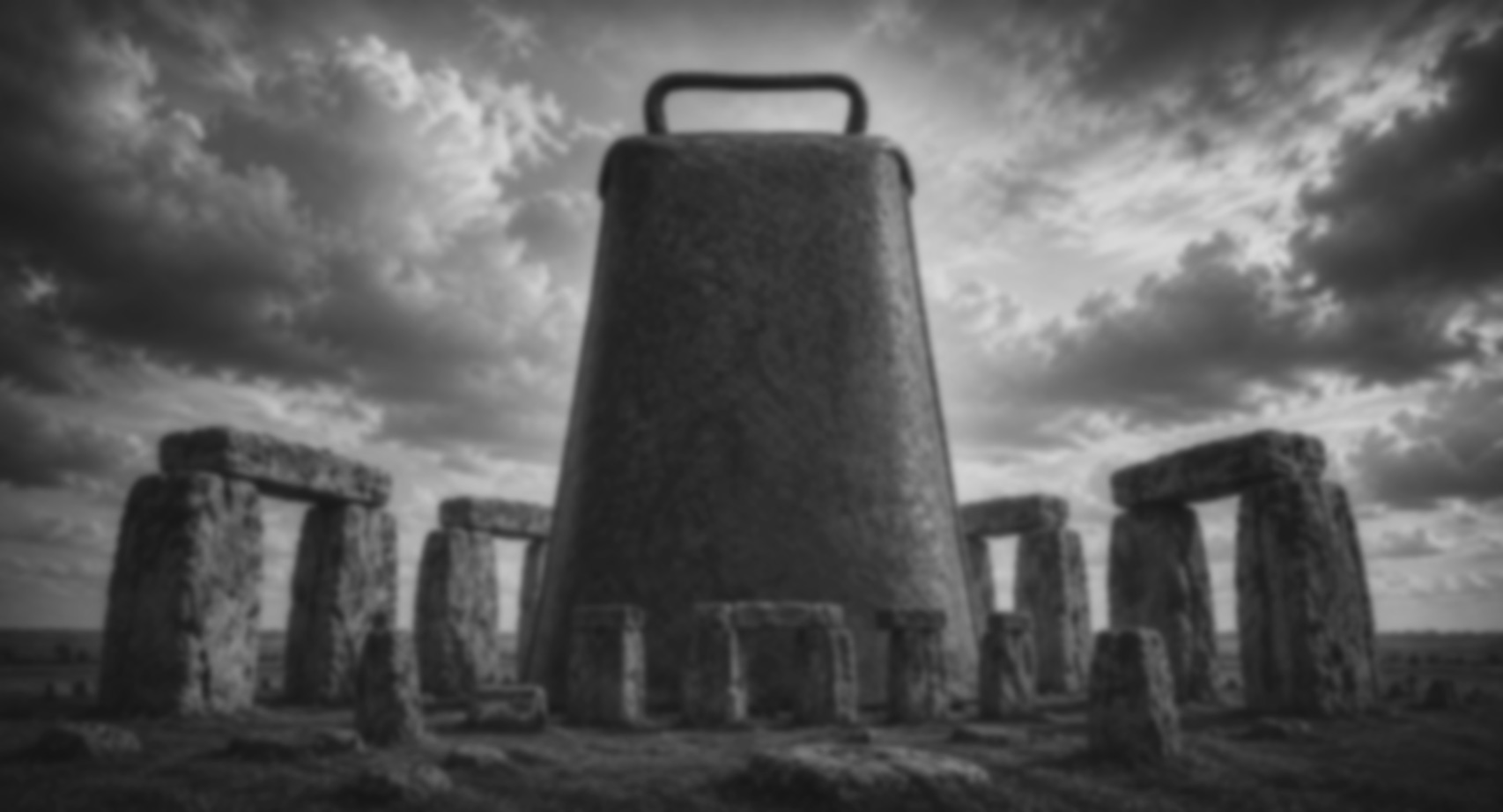

Forgotten Sounds • No. 001
The 100-Year-Old Cowbell
Free antique cowbell samples are the first release in Forgotten Sounds, an ongoing series preserving the voices of antique, overlooked, and repurposed objects through professional recordings and free sample libraries.
Some musical instruments are purchased. Others are discovered.
While wandering through a small antique shop housed inside a building dating back to the 1880s that is almost entirely covered in overgrowth, I found myself surrounded by what felt like an endless collection of history. A time machine of sorts, that triggered many flashbacks of nostalgia. From floor to ceiling, every shelf held something interesting. Civil War-era relics, hand tools, cast iron cookware, farm equipment, clocks, old soda bottles, and countless curiosities filled nearly every available space. So many items, so many stories, many which are lost to time.
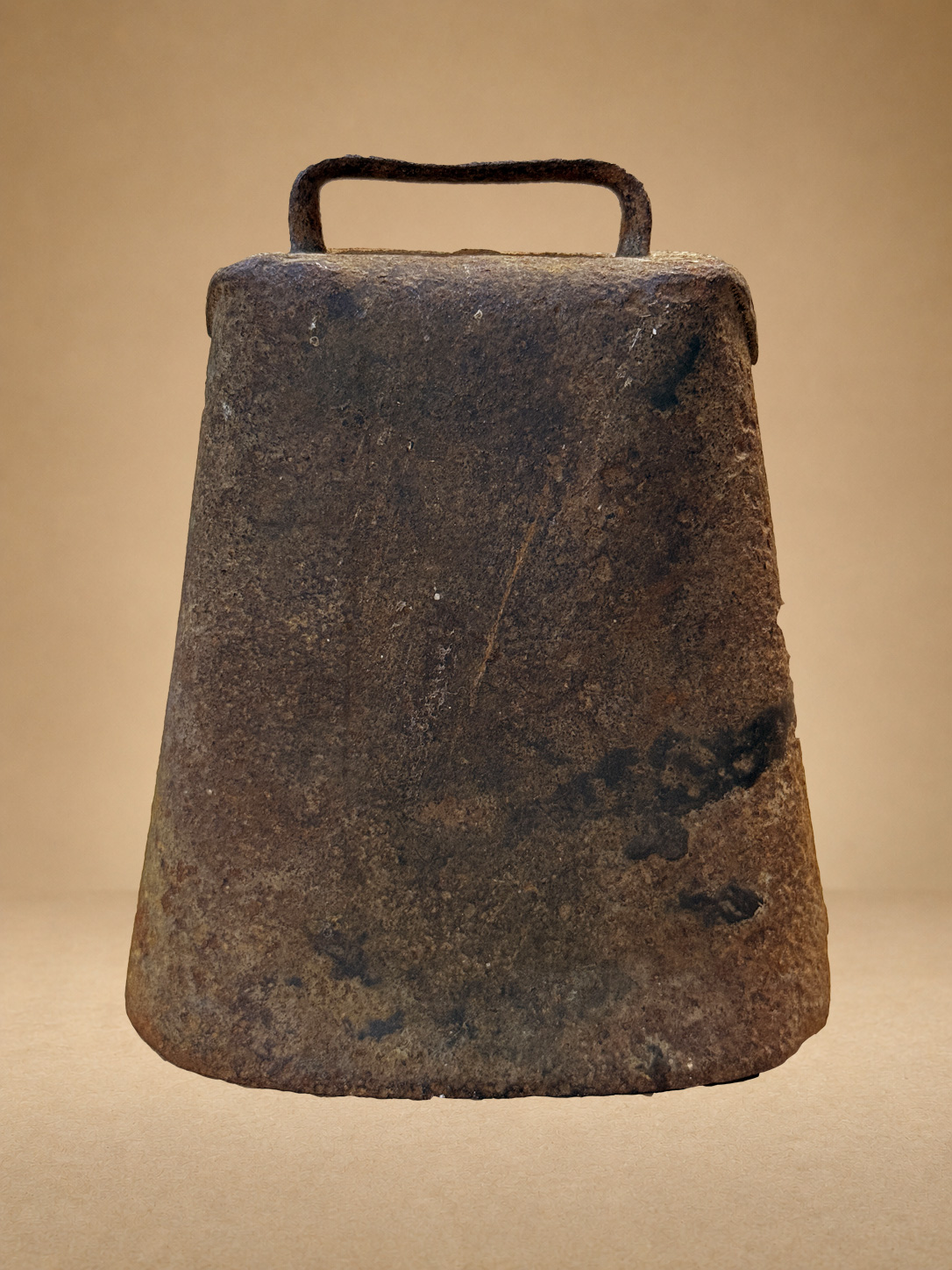
Sitting quietly on one of the window sills was a small forged iron livestock bell. It measured only 4.5 inches tall, yet the moment I picked it up and gave it a gentle tap with a wooden slingshot handle found nearby, I knew I wanted to hear what it could do in a recording session. I may have a preference for the larger, deeper cowbells, but this little guy has a great tone! There is no surviving provenance or visible maker’s mark to establish its precise history. Based on its materials, construction, form, and wear, however, it appears to be an antique livestock bell dating from approximately the late 19th or early 20th century.
Whether it once hung from a cow, mule, sheep, goat, wendigo, Mothman, Loveland Frogman, or another farm animal has been lost to time.
More than a century later, it still produces a somewhat warm and surprisingly musical voice. Rather than allowing it to remain another forgotten antique, I decided to preserve its sound by creating a professionally recorded sample collection that anyone can download free of charge. This ties in to my ambition to record impulse responses of interesting buildings before they are torn down. Maybe later…
Meet the Sound Source
Series
Forgotten Sounds No. 001
Estimated Age
Late 19th to early 20th century, approximately 1880-1925
Type
Small forged iron livestock bell, commonly described as a cowbell
Construction
Likely wrought iron or early mild steel formed into a tapered bell body
Height
4.5 inches (114 mm)
Origin
Unknown
Condition
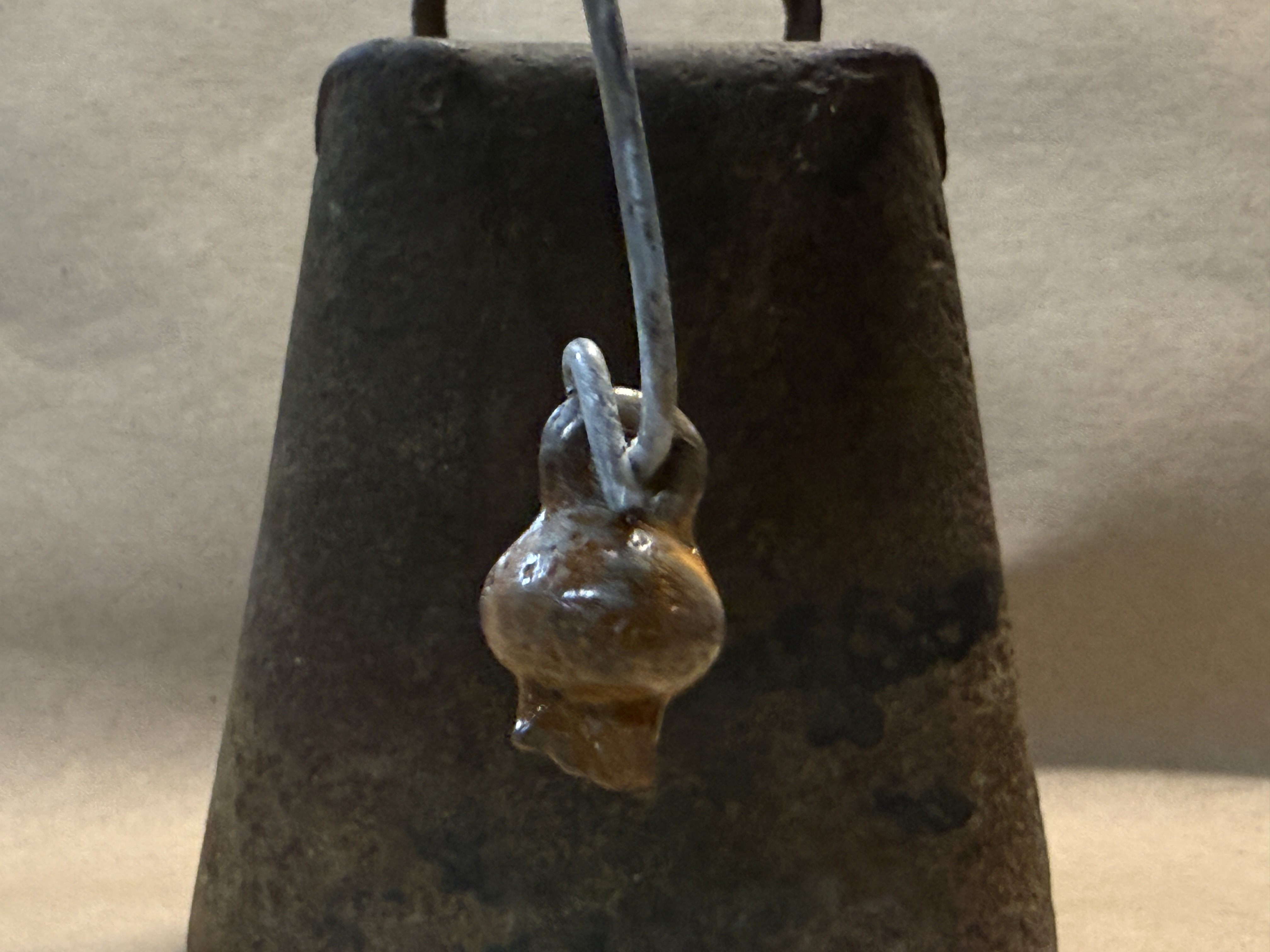
Antique forged body with a later replacement clapper assembly
Recording Preparation
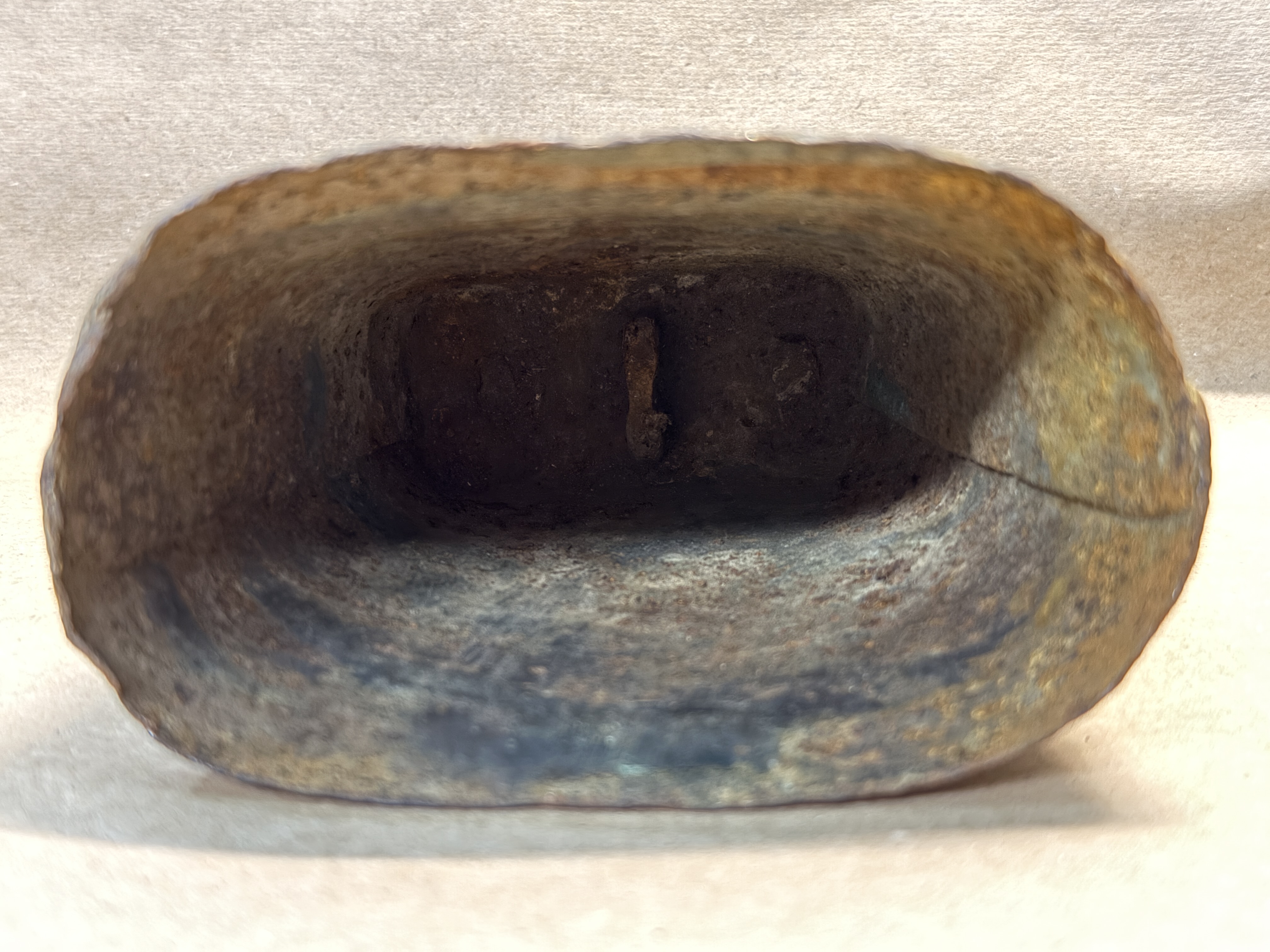
Clapper and clapper hanger removed for recording. Cobwebs and their inhabitants were relocated.
Recording Format
44.1 kHz • 24-Bit • Mono WAV
Articulations
Wooden Tip • Wooden Shoulder • Hand-Muted
License
Free for personal and commercial music production
Recording the Free Antique Cowbell Samples
The cowbell was recorded using a Vic Firth wooden drumstick (Buddy Rich model). I struck it with both the wooden tip and the shoulder of the stick, capturing two variations of each articulation.
Before recording, I removed the replacement clapper and its hanger. This eliminated unwanted movement and sympathetic rattling, allowing the forged metal body itself to resonate clearly. Many old cowbells tend to have a rattle from the seam coming loose or being broken, unlike this example. Although physically small, the cowbell has two noticeably different voices.
Side A produces the more articulate of the two tones. Its attack is clearer and slightly more open, making it useful for rhythmic passages that need definition.
Side B is somewhat darker, warmer, and more staccato. Its shorter, less pronounced resonance gives it a subtle, tighter character that may sit more easily inside a dense arrangement.
The muted strikes provide an additional set of dry, controlled articulations for sequencing, layering, ambitious cowbell soloing, and more intricate rhythmic work.
A Century of Character
One of the reasons I enjoy recording unusual objects such as this is that they possess characteristics modern, uniformly manufactured instruments often do not.
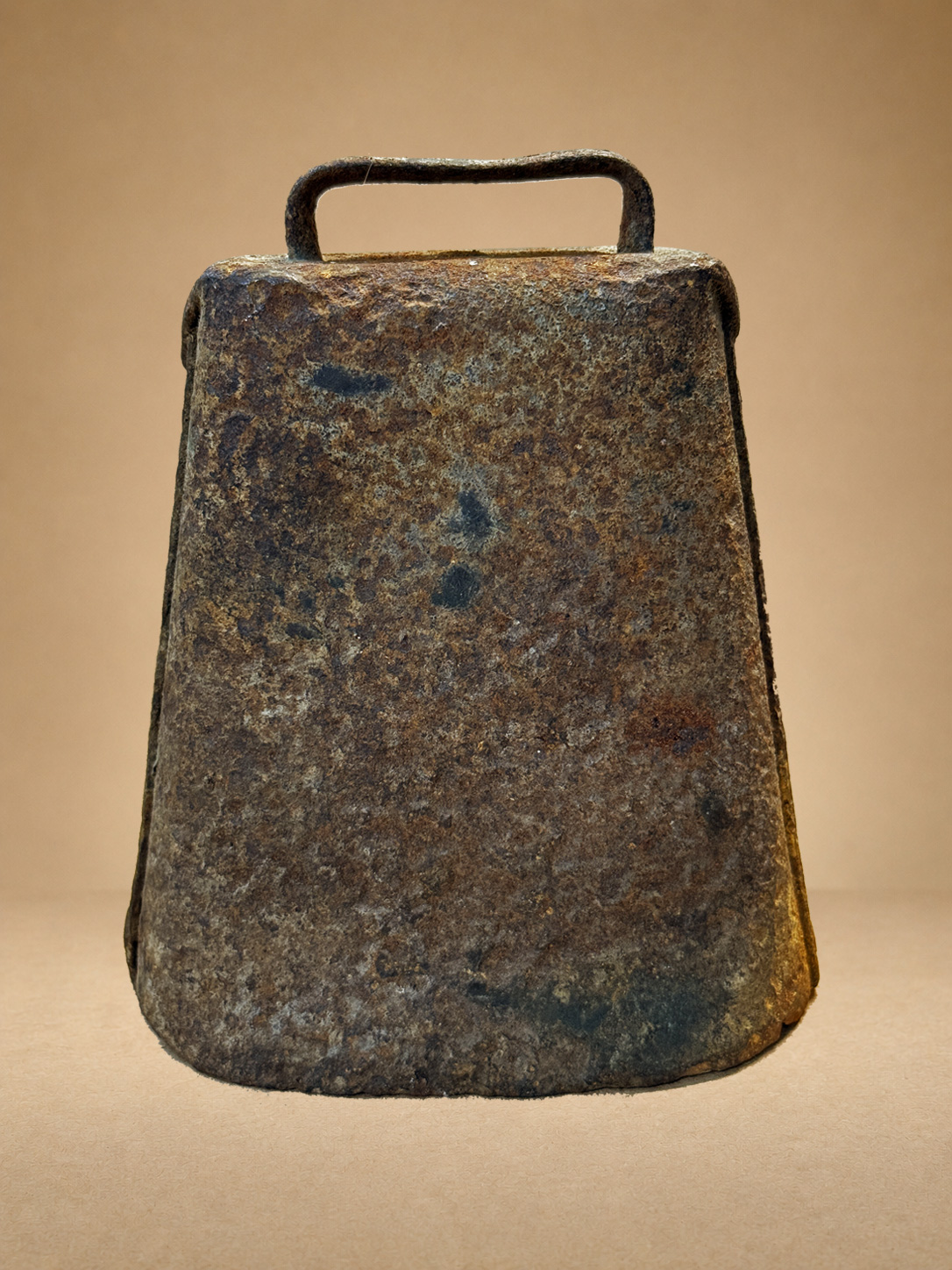
The surface retains irregular forging marks, oxidation, shallow pitting, and evidence of a long working life. Those physical inconsistencies contribute to a sound that feels organic and difficult to reproduce artificially.
The cowbell has a naturally higher pitch, but it also responds particularly well to moderate downward pitch shifting.
Lowering the samples by a few semitones produces a slightly deeper and fuller tone without stripping away the warmth or aged metallic character that makes the original recordings distinctive.
That flexibility allows the samples to function as conventional cowbell sounds, unusual metallic percussion, pitched accents, or raw material for more substantial sound-design processing.
They should work particularly well in acoustic percussion arrangements, cinematic scoring, industrial music, experimental composition, Latin music, electronic music, funk music, and hybrid drum programming.
Sometimes the most interesting sounds come from objects that were never intended to enter a modern recording studio.
Included Samples
The free antique cowbell samples include:
- Professionally recorded antique livestock bell
- 44.1 kHz / 24-Bit Mono WAV files
- Separate Side A and Side B recordings
- Wooden-tip articulations
- Wooden-shoulder articulations
- Muted articulations
- Multiple performance variations
- Unprocessed files suitable for pitching, layering, and sound design
- Compatibility with hardware and software samplers that support WAV files
- Free use in personal and commercial music production
Photographs and Details
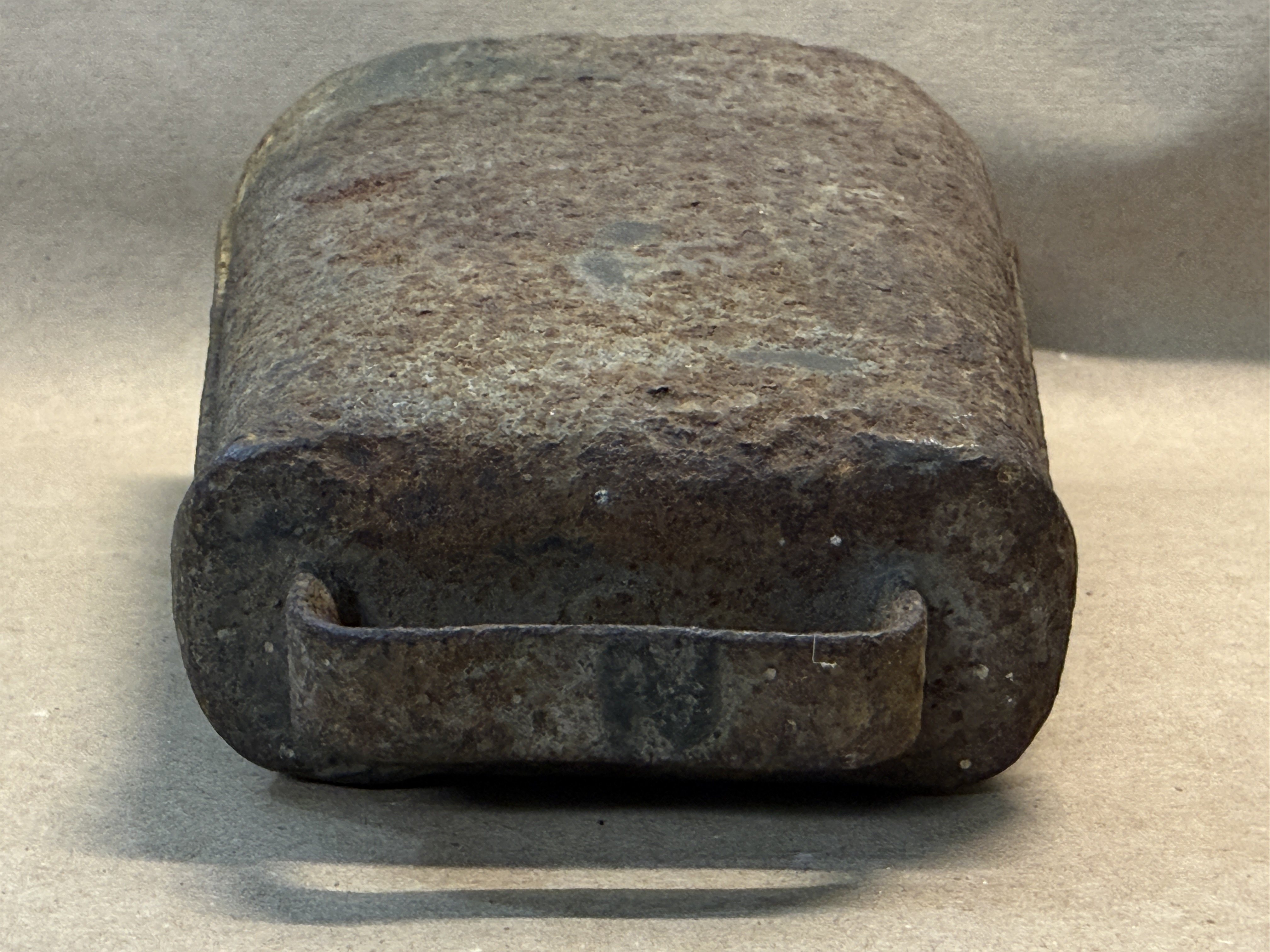
The photographs below document the actual cowbell used to create the sample collection. They show its tapered forged body, aged surface, interior construction, and the later replacement clapper assembly that was removed before recording.
Download the Free Antique Cowbell Samples
The free antique cowbell samples from the 100-Year-Old Cowbell are available below.
Whether you use the recordings as traditional percussion, lower their pitch for a heavier metallic voice, or transform them into something entirely new, I hope they find their way into music that would not have existed otherwise. Press play below to hear a very brief demo with the cowbell in action.
If the cowbell appears in one of your productions, I would genuinely enjoy hearing how you used it.
Help Keep Forgotten Sounds Growing
Every Forgotten Sounds sample library is offered free for personal and commercial music production.
Creating each release requires time spent finding and preparing unusual objects, recording and editing the samples, photographing the sound sources, writing the accompanying article, assembling the archive, and maintaining the website.
Support is entirely optional. If you have found the 100-Year-Old Cowbell useful and would like to help fund future releases, you are welcome to leave a tip through PayPal. Every contribution helps cover the practical costs of preserving and sharing the next Forgotten Sound.
The PayPal support page will open in a new browser tab.
About Forgotten Sounds
Forgotten Sounds is an ongoing recording project devoted to preserving the voices of antique, overlooked, and repurposed objects.
Each entry documents the history and physical character of a particular sound source before presenting it as a professionally recorded sample collection.
Future installments may include old household objects, storage tins, mechanical devices, unusual percussion, and other items whose musical potential might otherwise remain unheard.